

Articles
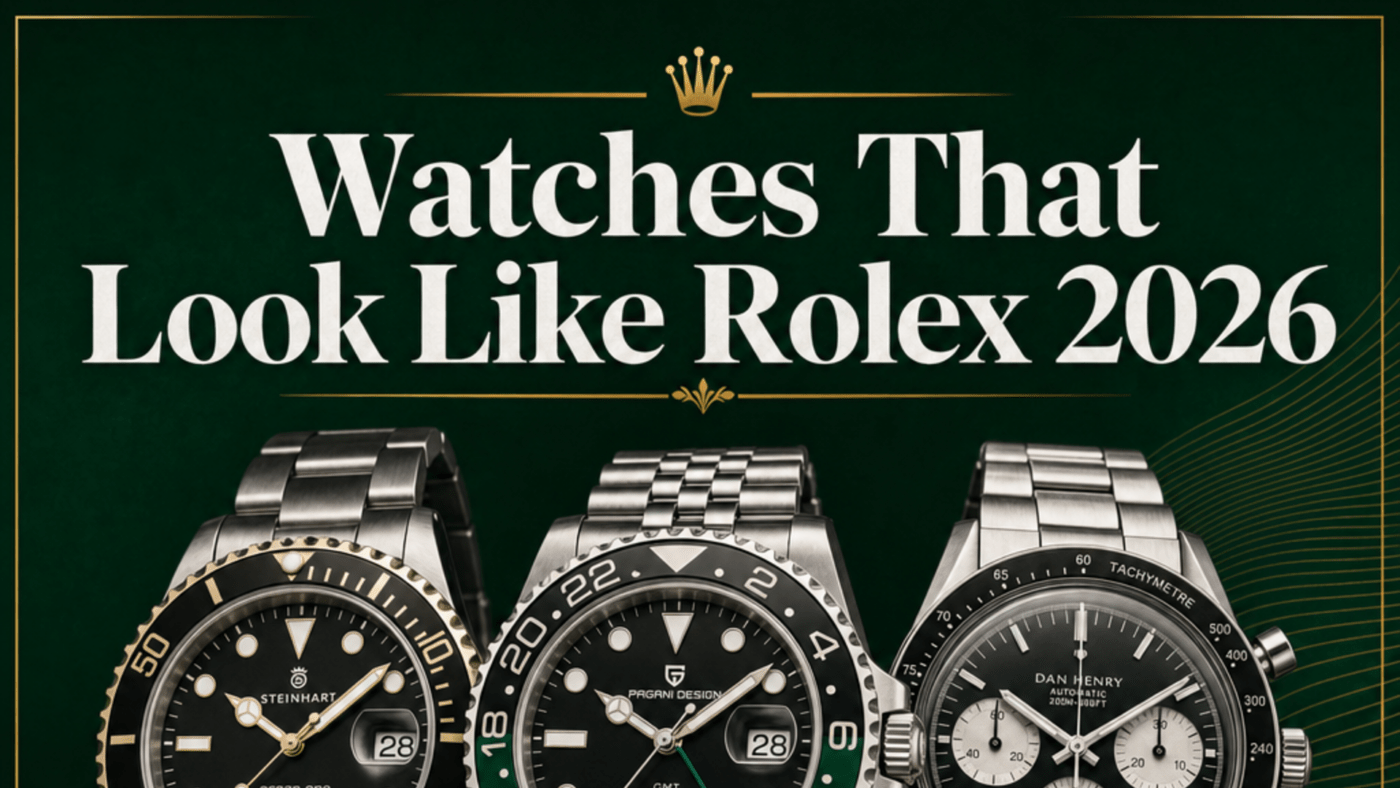
Watches That Look Like Rolex: The Definitive Guide for 2026
May
Why Everyone Wants a Watch That Looks Like Rolex
Rolex produced roughly 1.2 million watches in 2024, according to Morgan Stanley’s annual watch industry report. That sounds like a lot until you consider the millions of people competing for those pieces, many of whom walk away empty-handed from authorized dealers year after year. The waiting lists are real. The secondary market markups are punishing. A steel Submariner that retails around $14,000 routinely trades above $19,000 on the gray market.
If you’re searching for watches that look like Rolex without the wait or the wallet damage, you’re not alone. Here’s what most buyers overlook: you don’t need to spend five figures to wear a watch with that unmistakable aesthetic. The design language Rolex pioneered — the rotating dive bezel, the ceramic GMT insert, the tachymeter chronograph dial, the fluted dress case — has become so influential that entire brands have built legitimate businesses around their own interpretations. Some of those brands, like Tudor, share actual DNA with Rolex. Others, like Seiko and Steinhart, arrived at similar designs through parallel engineering traditions.
Something shifted in the watch market between 2024 and 2025. Pre-owned Rolex prices, which had been climbing at unsustainable rates since the pandemic, started softening. The collapse wasn’t dramatic — a steel Daytona that peaked at $40,000 on the secondary market settled back to the high $20s — but the psychological effect was real. For the first time in years, people started questioning whether Rolex was worth the premium. Watch forums on Reddit (r/Watches alone has over 700,000 members) saw a noticeable uptick in “what’s the best alternative to [specific Rolex model]” posts. Dealers started recommending Tudor and Longines with genuine enthusiasm rather than apologetic shrugs.
There’s a deeper reason the Rolex-alternative market is booming right now, and it has nothing to do with price. The collector community has been through a phase of hyper-speculation — treating watches like stocks, tracking “market values” on Chrono24 the way day traders watch tickers. That’s draining the joy out of the hobby for a lot of people. Wearing a $38,000 Daytona to a barbecue shouldn’t feel like wearing your portfolio on your wrist. Alternatives let you enjoy the design language without the anxiety. A Tudor Black Bay or a Seiko Alpinist invites conversation. A five-figure Rolex sometimes invites the wrong kind.
If you’ve already browsed our guide to 18 affordable watches that look like Rolex, this article goes deeper. We’re focusing on the best watches across every price tier that genuinely channel specific Rolex models — and we’ll be honest about where they fall short, not just where they impress.
The Submariner Alternatives: Dive Watches With Iconic Proportions
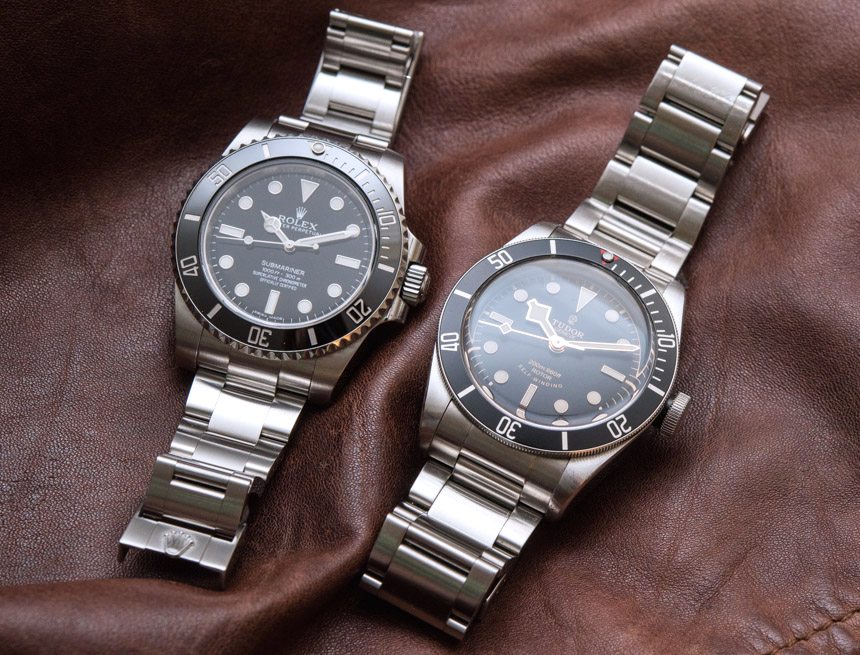
The Rolex Submariner isn’t just a dive watch. It’s the template. When Hans Wilsdorf’s team designed the original ref. 6204 in 1953, they established the visual grammar that virtually every dive watch since has followed: unidirectional bezel with minute markings, high-contrast dial with luminous indices, and a case built to survive 100 meters of water pressure. That design is now public domain in the watch world — the functional elements can’t be trademarked, which is why so many legitimate brands produce Submariner-inspired divers.
What’s often forgotten: Blancpain’s Fifty Fathoms actually beat the Submariner to market by months in 1953. Both watches were developed simultaneously to meet the French and British military’s dive-watch specifications. Rolex won the marketing war, but the “diver template” was a shared invention. That matters because it means the dive watch aesthetic was never exclusively Rolex’s to own — it belongs to the entire industry.
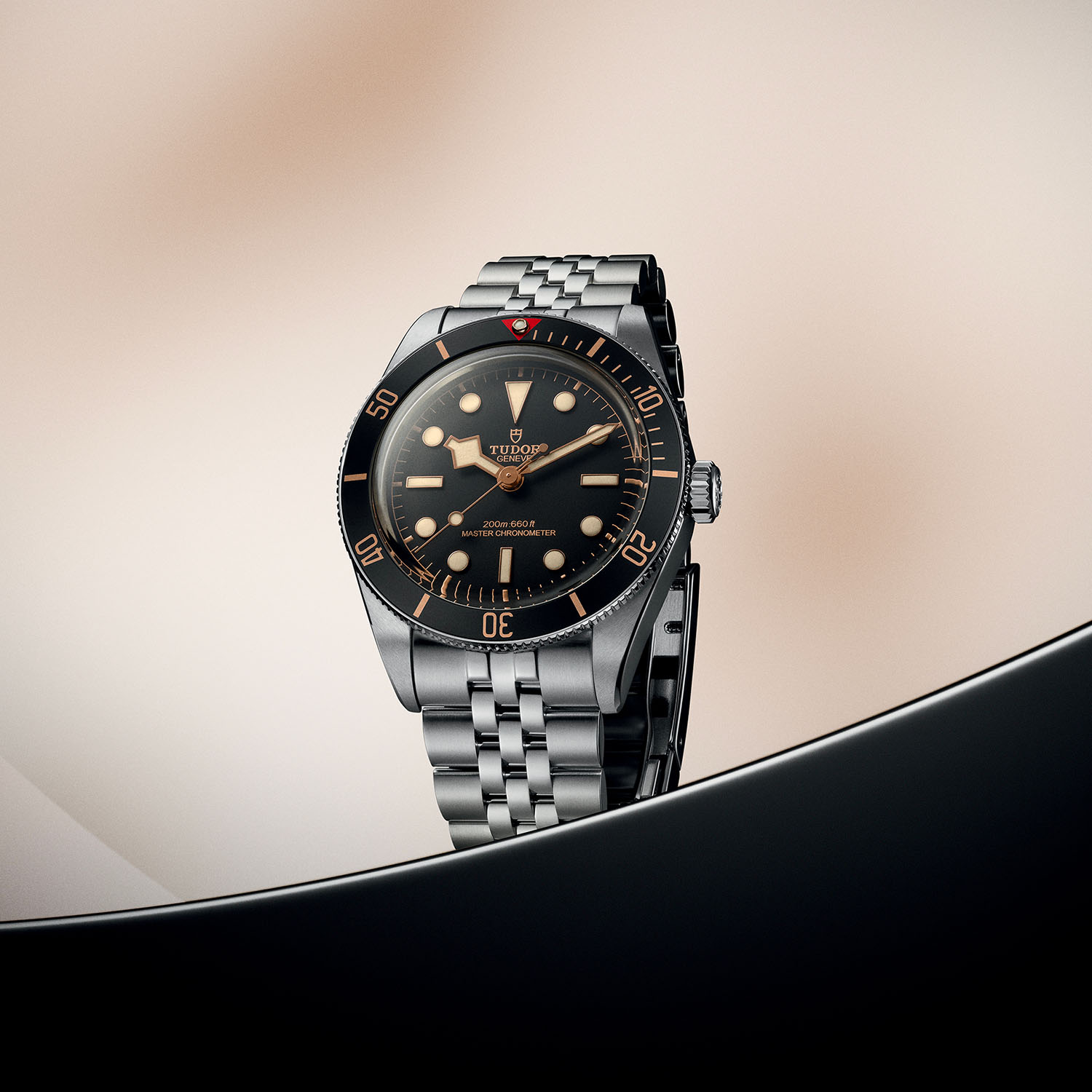
Tudor Black Bay 58 — The Family Resemblance Is No Accident
If there’s one watch on this list that doesn’t just look like a Rolex but actually is part of the same family, it’s the Tudor Black Bay 58. Tudor was founded by Hans Wilsdorf himself in 1926 as Rolex’s more accessible companion brand, and the Black Bay 58 (ref. M79030N-0001) draws directly from vintage Tudor Submariner references like the ref. 7922 from the 1950s. The 39mm case sits at almost the exact same proportions as the current Rolex Submariner 40mm (ref. 116610LN). You get a black dial, luminous hour markers, a unidirectional bezel, and 200 meters of water resistance.
Where it differs — and where many enthusiasts actually prefer it — is the movement. The in-house MT5400 caliber delivers a 70-hour power reserve, beating the Submariner’s approximately 48 hours. Tudor also achieved METAS Master Chronometer certification on newer Black Bay models, something Rolex has been rolling out slowly across its lineup.
As Hodinkee reported, Tudor’s move to METAS certification across the Black Bay line signals that this isn’t a budget afterthought — it’s a serious tool watch in its own right.
Seiko Prospex SPB143 — Japan’s Interpretation of the Dive Watch Icon
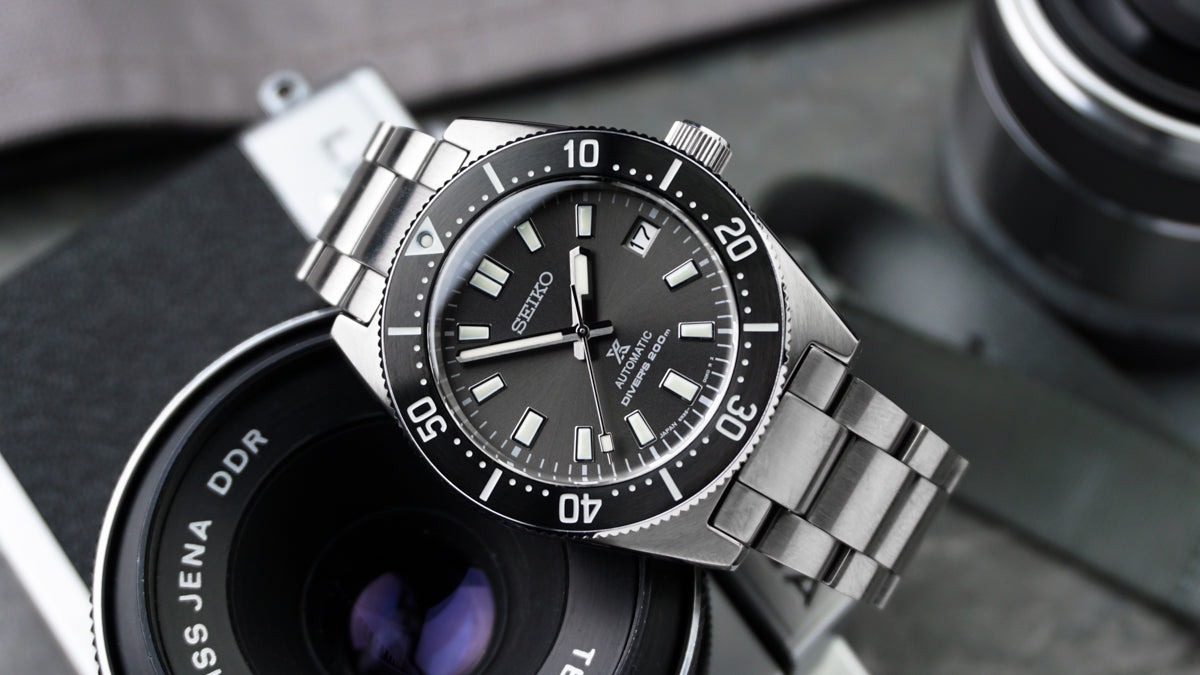
Seiko doesn’t need Rolex to justify its dive watch credibility. The brand invented the Japanese dive watch category in 1965, and their Prospex line has been a benchmark for affordable tool watches ever since. The SPB143 (ref. SPB143J1) brings a 40.5mm titanium case, the smooth 6R35 automatic movement with a 70-hour power reserve, and 200 meters of water resistance to the table.
The visual similarities to the Submariner are real but not slavish. The dial layout follows the same diver template, but Seiko’s finishing — the subtle texture, the handset shape, the slightly warmer lume tone — reads as distinctively Japanese. The titanium case also makes it noticeably lighter on the wrist than either the Sub or the Black Bay.
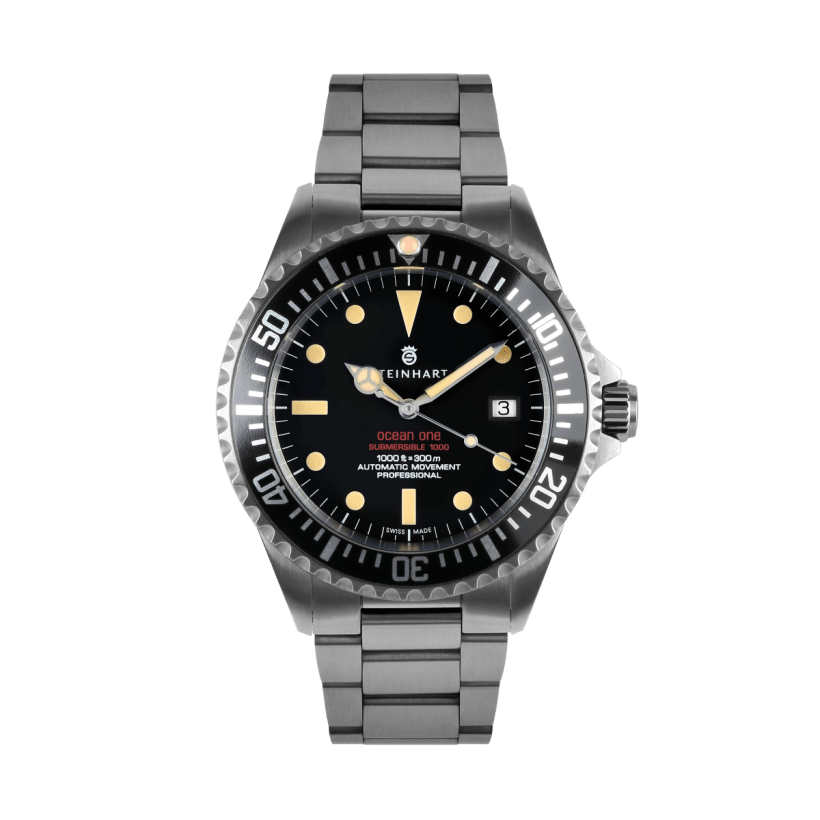
Steinhart Ocean One Vintage — The Unapologetic Homage
Let’s address the elephant in the room. Steinhart’s Ocean One Vintage is, by any honest assessment, a near-direct visual interpretation of the vintage Rolex Submariner ref. 5513. The 42mm steel case, the domed sapphire crystal, the aluminum bezel insert, the gilt dial printing — Steinhart isn’t pretending otherwise, and that’s precisely why enthusiasts respect the brand.
Based in Germany, Steinhart uses Swiss Sellita SW200 automatic movements and builds cases with proper 300-meter water resistance. The finishing isn’t Tudor-level, and the 42mm case wears larger than the Submariner’s 41mm, but the overall package delivers remarkable value for someone who specifically wants that vintage Sub look without going anywhere near the replica market.
If you’re weighing your options more broadly, our buying cheaper Rolex guide covers additional approaches to getting the Rolex aesthetic at lower price points.
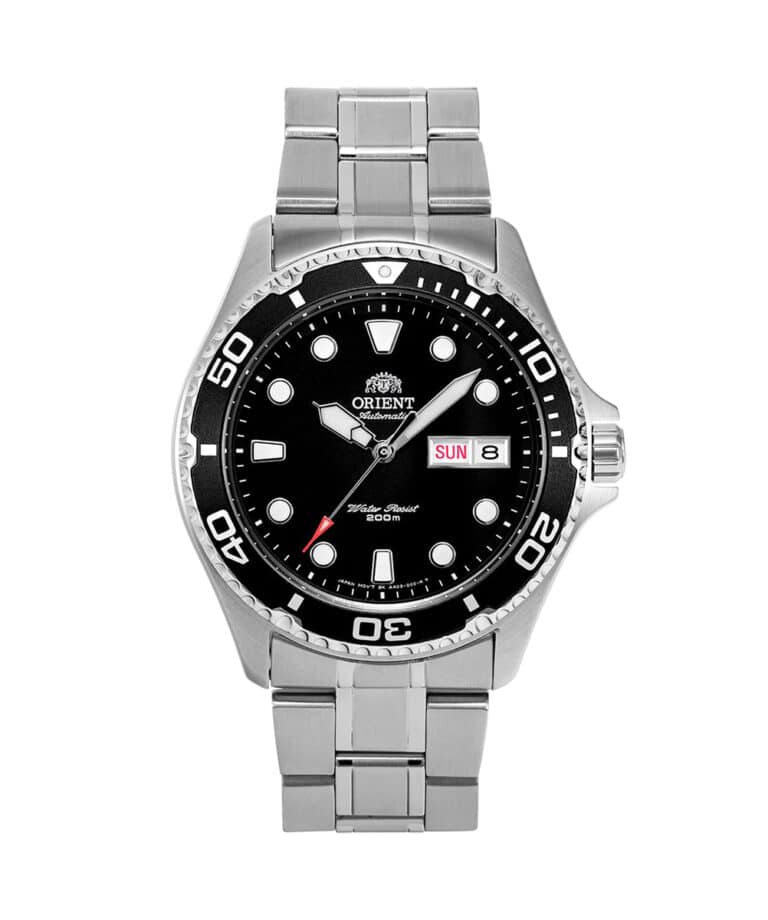
Orient Ray II — Maximum Submariner Vibe, Minimum Budget
The Orient Ray II (ref. FAA02004B9) proves you can channel the Submariner’s spirit for under $300. The 41.5mm case, black dial with luminous indices, and unidirectional bezel all follow the diver playbook that Rolex wrote. Orient’s in-house F6922 automatic movement keeps things running without a battery, and 200 meters of water resistance means this isn’t just a desk diver.
The compromises are real: the movement is regulated to looser tolerances than Swiss alternatives, the finishing is more industrial than polished, and the bracelet clasp feels distinctly budget-grade. But for someone who wants a competent mechanical dive watch with Submariner proportions on a starter budget, the Ray II delivers. It’s also a common first mechanical watch for collectors who eventually upgrade to Swiss alternatives — a gateway piece in the truest sense.
GMT-Master II Alternatives: Dual-Timezone Watches That Channel the Bezel
The Rolex GMT-Master II, with its iconic two-tone bezel, is arguably the most recognizable travel watch ever made. The “Pepsi” (blue and red) and “Batman” (blue and black) variants command massive premiums on the secondary market, with the steel Pepsi ref. 126710BLRO regularly exceeding $20,000. The good news is that several legitimate alternatives capture the dual-timezone aesthetic for considerably less.
The two-tone bezel wasn’t even Rolex’s original idea. Pan Am Airlines approached Rolex in the 1950s with a specific request: a watch that could display two time zones simultaneously for their pilots. The resulting GMT-Master was a collaboration, not pure Rolex invention. That context matters because it means the “travel watch with colored bezel” concept has always been a shared design space.
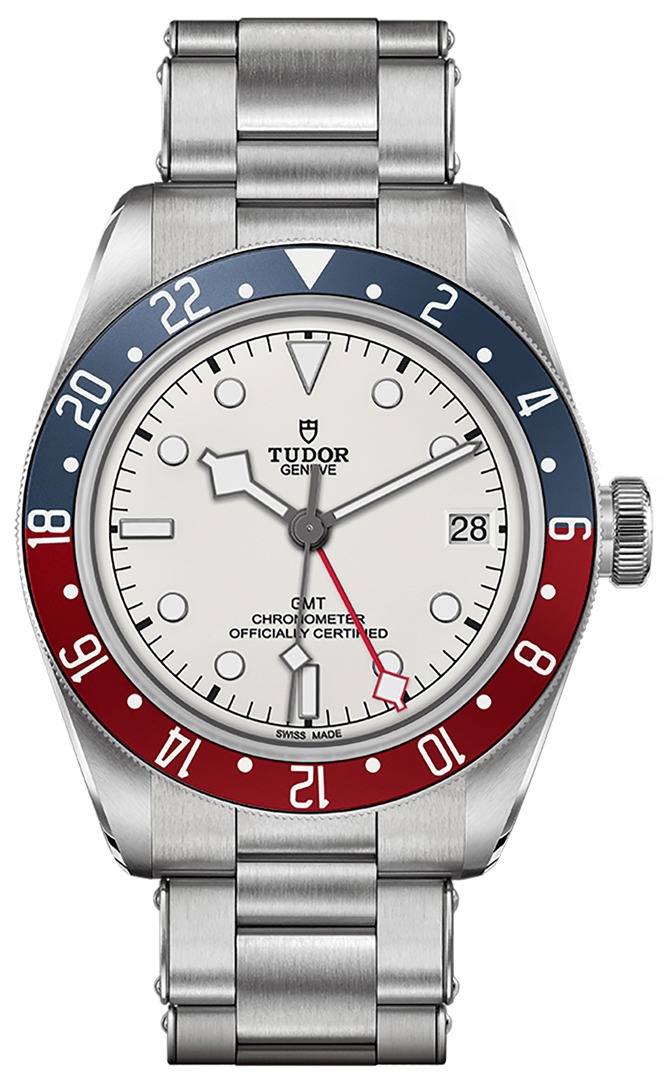
Tudor Black Bay GMT — The Pepsi Without the Premium
It’s almost unfair to call the Tudor Black Bay GMT (ref. M79830RB-0001) an “alternative.” As a product from Rolex’s sister company, it’s more like a cousin. The 41mm steel case, bidirectional aluminum Pepsi bezel, and COSC-certified MT5652 GMT movement with 70-hour power reserve make it one of the most capable travel watches at any price point.
The main difference from the Rolex GMT-Master II Batman (ref. 116710BLNR): Tudor uses an aluminum bezel insert instead of Rolex’s proprietary Cerachrom ceramic. The aluminum develops a pleasing patina over time that many collectors actually prefer, though it scratches more easily.
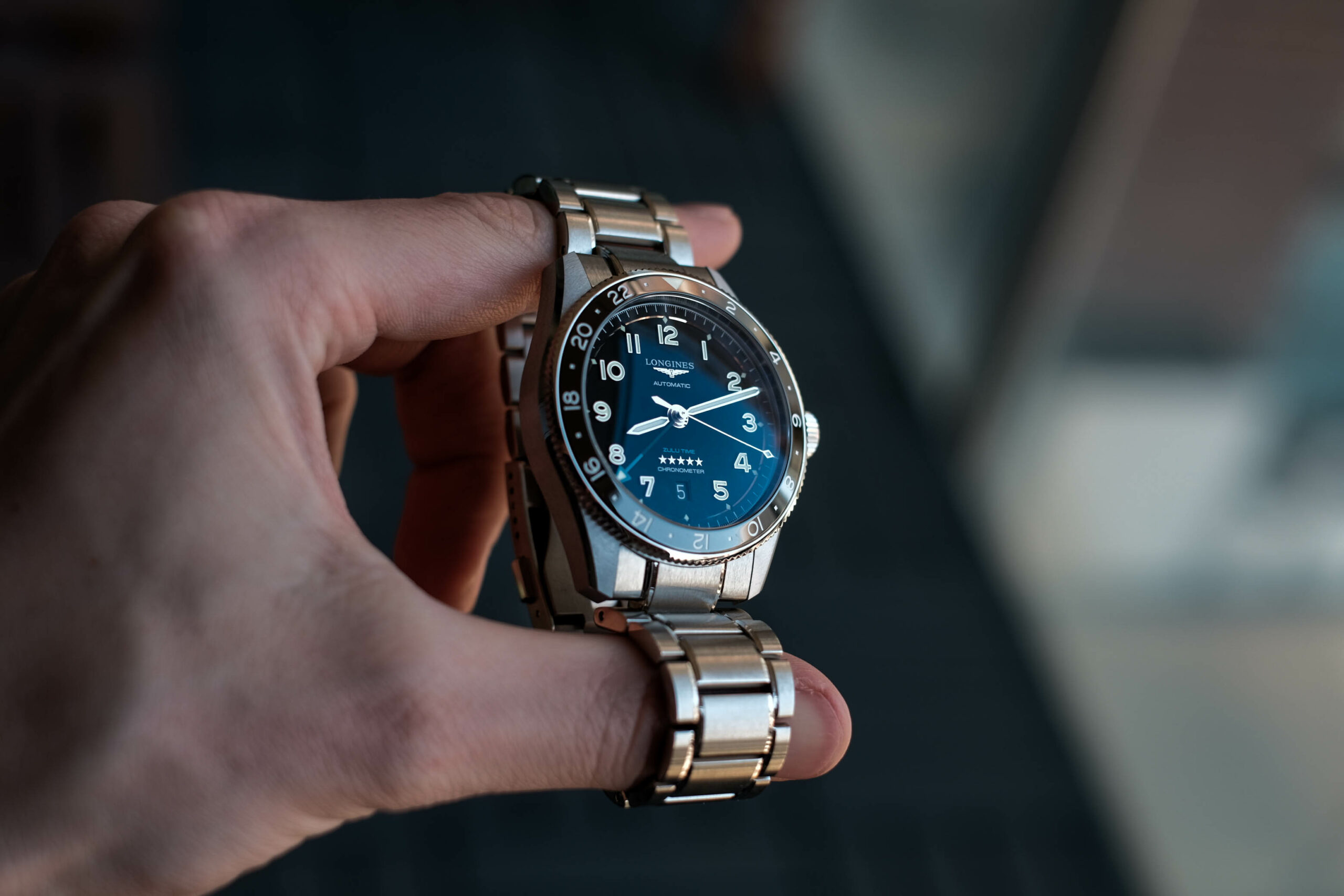
Longines Spirit Zulu Time — Swiss Aviation Pedigree
Longines has been making pilot and navigation watches since the 1920s, and the Spirit Zulu Time (ref. L3.812.4.63.6) leans into that heritage with a 42mm case, COSC-certified L844.4 automatic GMT movement, and a 72-hour power reserve that outlasts both Tudor and Rolex. The multi-colored bezel options include a Pepsi-style variant that clearly nods to the GMT-Master II tradition.
What sets the Zulu Time apart is its dial finishing. Longines applies a level of detail — textured surfaces, applied indices with polished bevels, a date window integrated cleanly at 3 o’clock — that punches well above its price point. For anyone who values horological history, Longines’ Spirit collection makes a compelling case that this brand was producing pilots’ chronographs decades before Rolex entered the aviation watch space.
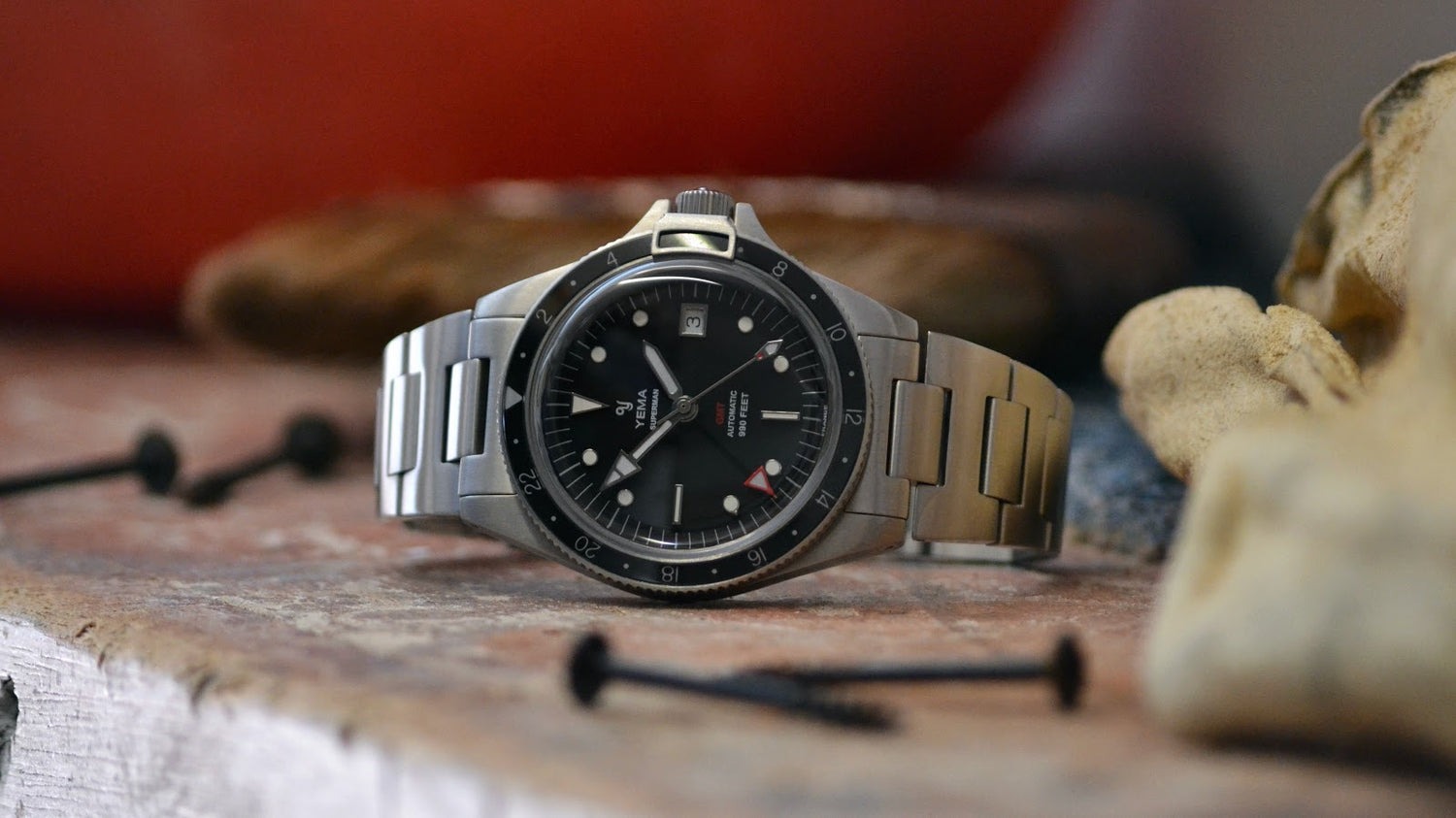
Yema Superman GMT — French Dive-GMT Hybrid
Yema might not have the name recognition of Tudor or Longines in the US, but the French manufacture has been producing professional dive and aviation instruments since 1948. The Superman GMT (ref. YM6008) packs a true GMT movement, 300-meter water resistance, and a 39mm case that wears surprisingly slim at 13.5mm thick.
It undercuts both the Tudor and Longines by a significant margin while offering higher water resistance than either. The compressor-style bezel is a distinctive touch that differentiates it from the GMT-Master II template. For a deeper dive into how heritage brands create their own identities within established design frameworks, check out our piece on the fascinating evolution of Rolex watch designs.
Daytona Alternatives: Racing Chronographs at Realistic Prices
The Rolex Daytona is the single most requested watch at authorized dealers, and it’s not close. Steel Daytonas routinely sell for double or triple their $15,000 retail price on the secondary market, as watch industry analysts at Morgan Stanley have documented. That kind of markup forces even devoted Rolex enthusiasts to explore alternatives — and several brands deliver chronographs that capture the Daytona’s racing spirit without the absurd wait.
Here’s the ironic part: Paul Newman’s legendary Rolex Daytona ref. 6239 — the watch that single-handedly created the vintage Daytona mystique — sold at Phillips for $17.8 million in 2017. Yet Newman himself reportedly paid around $200 for it, and he wore it because his wife Joanne Woodward had it inscribed with “Drive Carefully Me” on the caseback. The world’s most famous Rolex Daytona was, at its core, a functional tool watch with a personal story attached. The modern alternatives on this list capture exactly that spirit: competent chronographs with character, unburdened by the speculative pricing that turned the Daytona into a commodity.
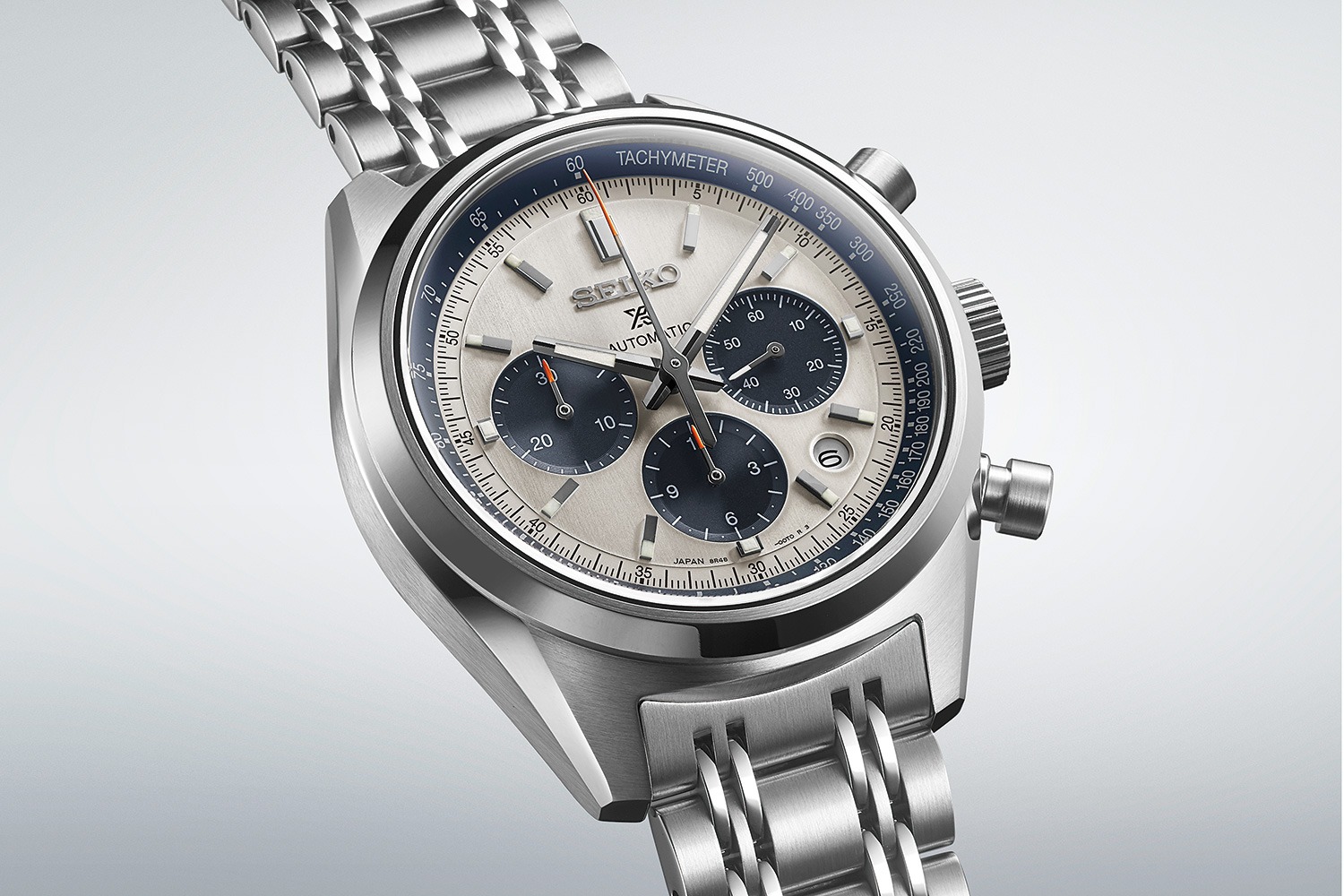
Seiko Speedtimer — The Chronograph That Predates the Daytona
Here’s a piece of history most watch fans don’t know: Seiko produced the world’s first automatic chronograph in 1969, the same year Zenith and a Heuer-led consortium released their own. The Seiko Speedtimer (available in both solar-quartz SSC813 variants at $500-$600 and mechanical 8T63 versions at $700-$800) is a direct descendant of that pioneering calibre.
The tachymeter bezel, triple-register dial layout, and 39.5mm case size all echo the Daytona’s proportions. The solar variants are notably thinner at 13mm, making them more comfortable on smaller wrists than the 40mm Daytona. You sacrifice mechanical romance for quartz accuracy, but the Speedtimer line carries genuine motorsport heritage — Seiko was timing Olympic events decades before Rolex became synonymous with Daytona International Speedway.
Yema Speedgraf — French Motorsport on a Budget
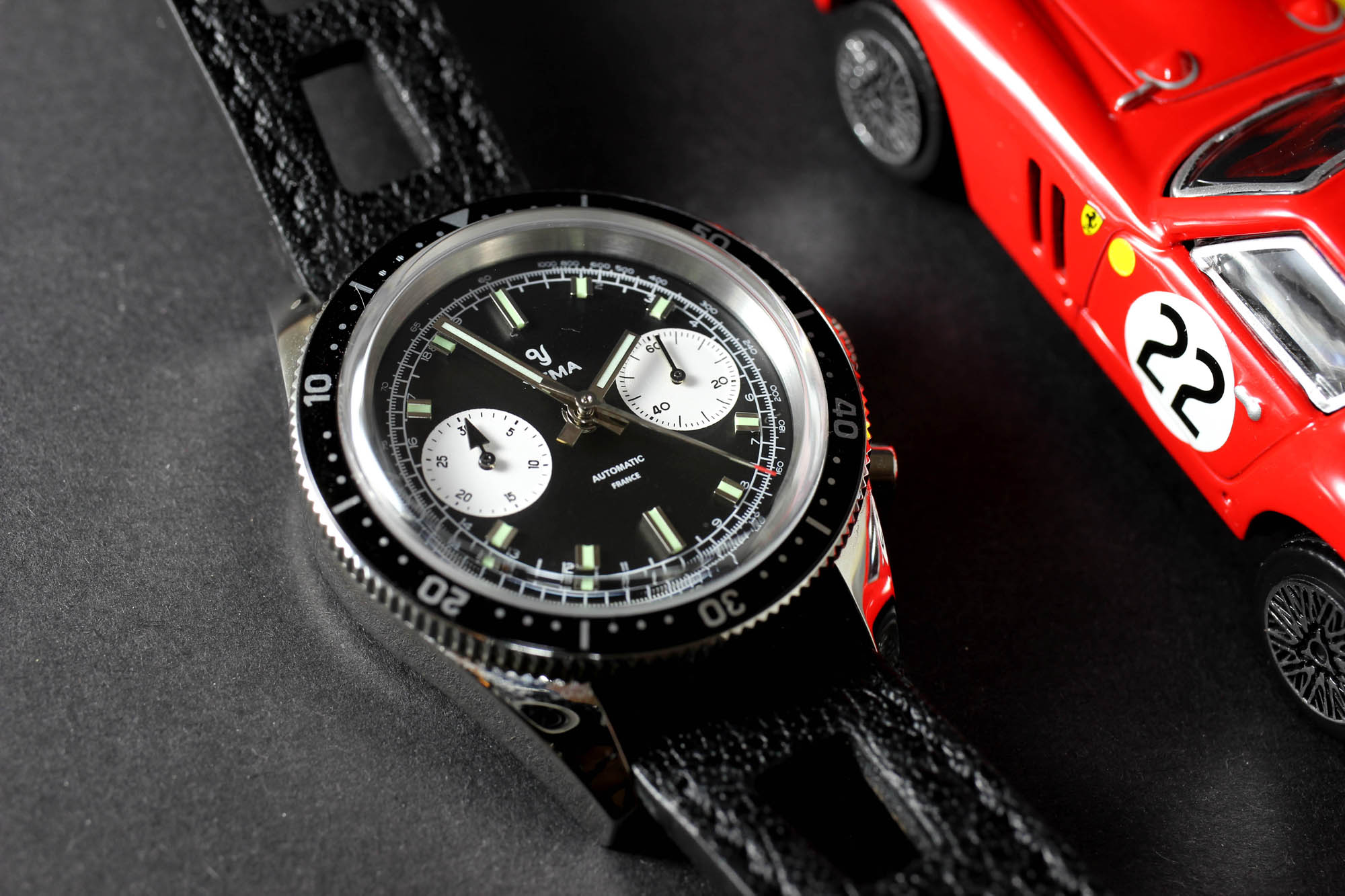
The Yema Speedgraf (ref. YSPEE2019-AU31S) is a 39mm automatic chronograph powered by the Seiko NE86 movement, and it channels 1960s racing watch aesthetics with impressive conviction. The domed sapphire crystal, bidirectional bezel, and vintage-styled dial printing create a package that photographs like a watch three times its price.
It sits in an interesting niche. It’s more expensive than the Seiko Speedtimer but more affordable than the Rolex Daytona 40mm (ref. 116523) by roughly $13,000. The 100-meter water resistance and 45-hour power reserve are competitive for the segment, and the compact 39mm case makes it one of the few modern chronographs that wears well on wrists under 7 inches.
Nivada Grenchen Chronomaster — Authentic Vintage Racing Heritage
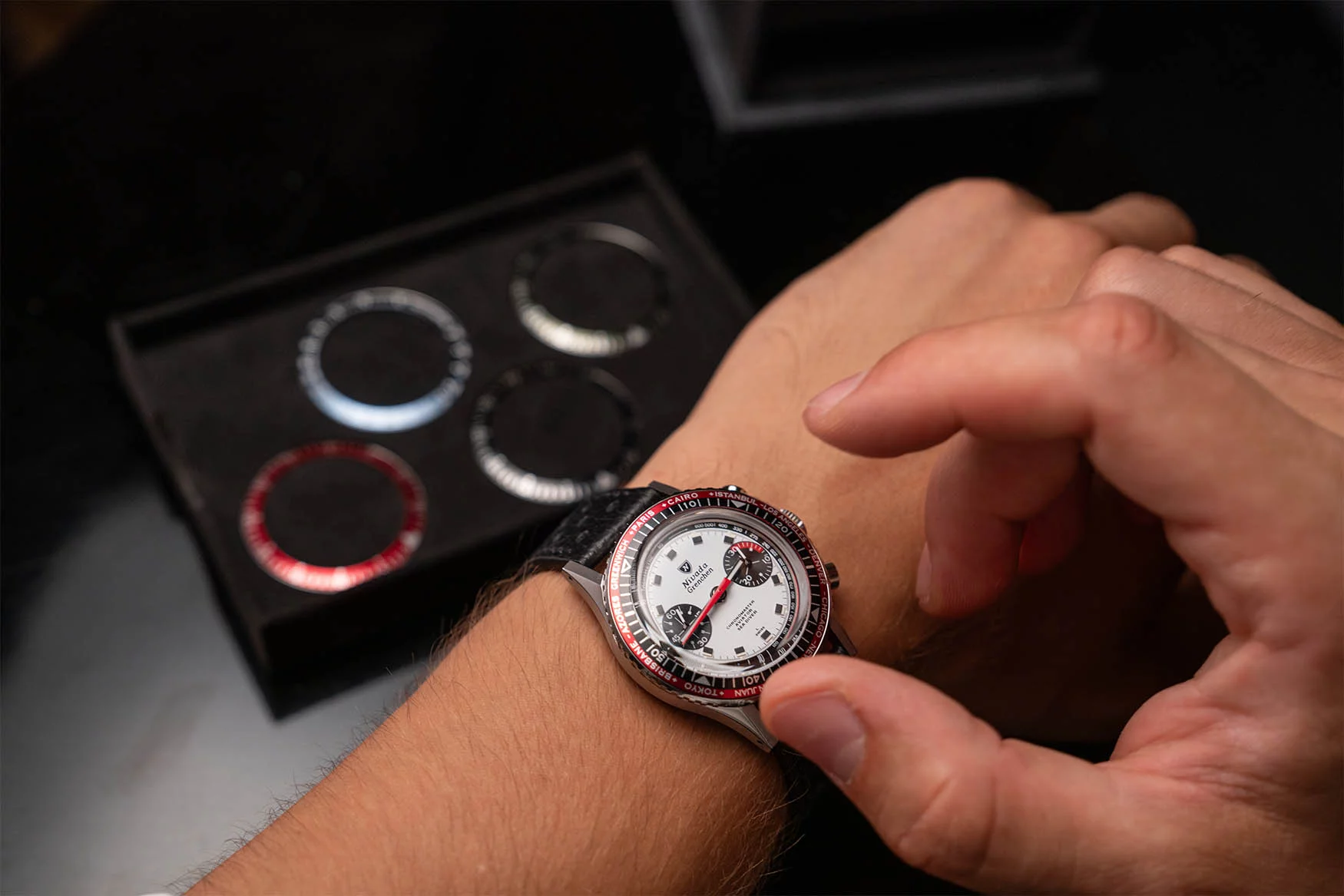
Nivada Grenchen is one of those brands that true chronograph enthusiasts adore but mainstream collectors often overlook. Founded in 1926 in the Swiss Jura, the brand supplied timing instruments to the US military and Antarctic expeditions. The modern Chronomaster reissue (ref. 796-1) faithfully recreates the 1960s original with a 40mm case, Valjoux 7750 automatic movement, and 48-hour power reserve.
It’s the most expensive option in this Daytona-alternative group. But the finishing quality, the historical legitimacy, and the fact that you’re wearing a design that actually competed with the original Daytona in the 1960s — not a retroactive homage — gives the Chronomaster an authenticity that money can’t replicate. If you want to understand more about how reference numbers encode this kind of heritage, our Rolex reference number guide explains the system.
Explorer Alternatives: Clean Dials and Rugged Capability
The Rolex Explorer is perhaps the purest expression of Rolex’s design philosophy: a three-hand, no-date watch with maximum legibility and bulletproof construction. Its influence on the field watch category is enormous, and several brands offer compelling interpretations at accessible prices.
The Explorer’s origin story has been romanticized to the point of mythology. The official narrative says it summiting Everest with Sir Edmund Hillary and Tenzing Norgay in 1953. The less-told version: Hillary was actually wearing a Smiths Deluxe on the summit — the Rolex came along on the expedition but may not have been on his wrist at the crucial moment. Rolex marketed the connection brilliantly anyway, and the Explorer was born. The point isn’t to diminish the watch; it’s to illustrate that “heritage” in watchmaking is often as much about storytelling as it is about what actually happened on the mountain. The alternatives below have their own legitimate stories to tell.
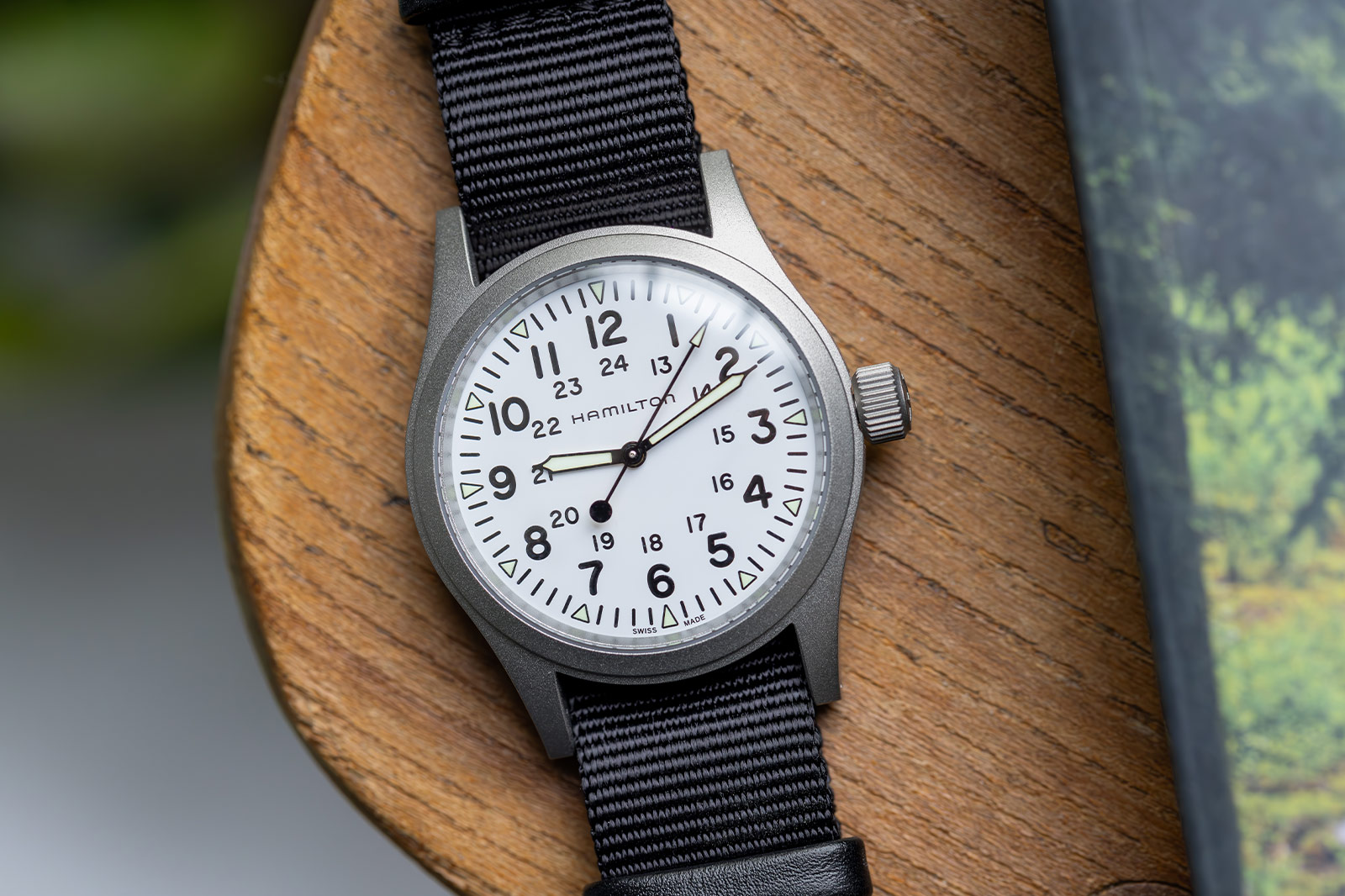
Hamilton Khaki Field Mechanical — Military Heritage at Its Best
Hamilton’s connection to military timekeeping stretches back to World War II, when the brand supplied over a million watches to the US armed forces. The Khaki Field Mechanical (ref. H69429931) carries that DNA in a 38mm hand-wound package that reads like a tougher, more utilitarian take on the Explorer concept.
The 3-6-9 dial layout (which is part of what gives the Explorer its distinctive look — and inspired many of the famous Rolex nicknames in collector culture) is present here, applied with military-specification clarity. The hand-wound H-50 movement delivers an 80-hour power reserve, and the 50-meter water resistance is adequate for daily wear.
Seiko Alpinist — Japan’s Original Mountain Watch
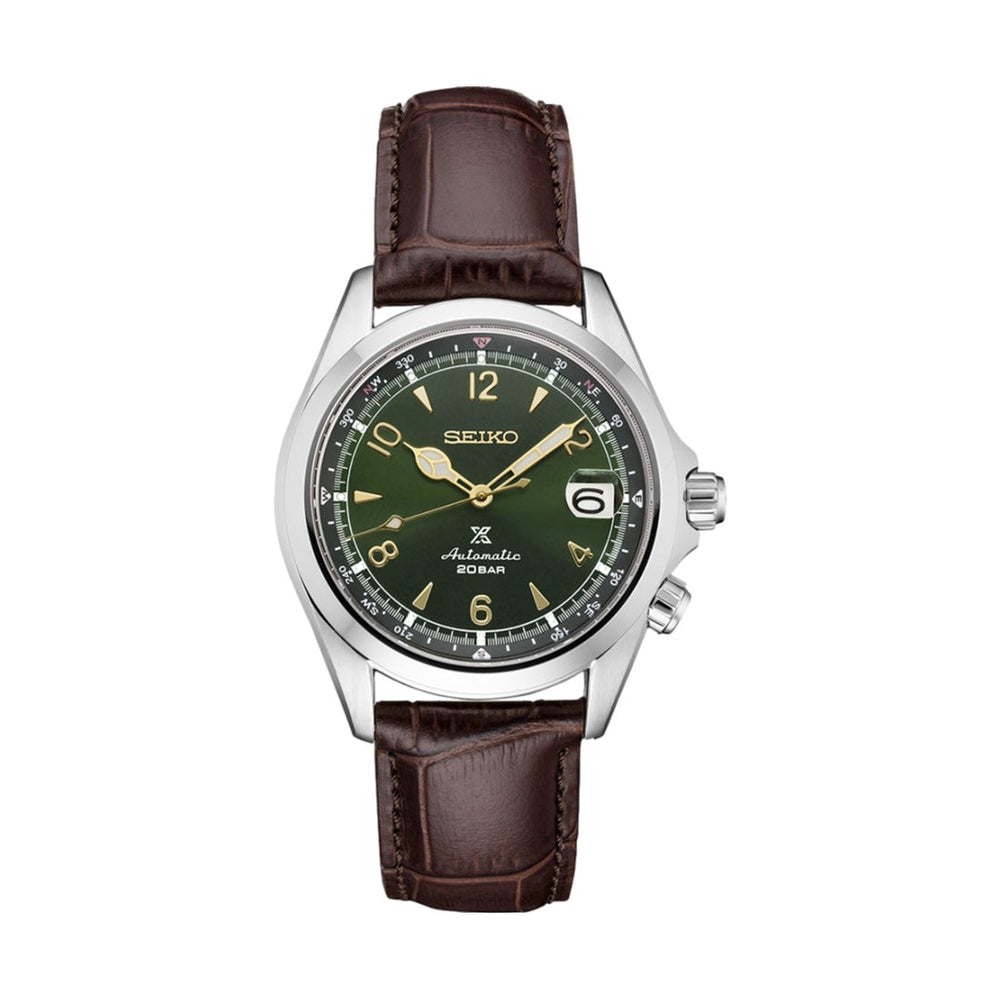
The Seiko Alpinist predates the Explorer’s cultural dominance by years. First released in 1961 for Japanese mountain climbers, the modern Alpinist (SPB121) features a 39.5mm steel case, 6R35 automatic movement with 70-hour power reserve, and that famous green dial variant that has become a collector favorite.
The Rolex Explorer II (ref. 216570) and the original Explorer target different wrist sizes and use cases, but the Alpinist occupies a sweet spot that both overlook: a sub-$1,000 field watch with genuine mountain heritage and enough character to stand on its own. It’s not trying to be a Rolex — it’s being the best Seiko it can be, and the design similarities are almost incidental.
Datejust Alternatives: Everyday Elegance Without the Premium
The Rolex Datejust is the brand’s bestselling model by a wide margin, and its influence on dress-sport watches is immeasurable. The fluted bezel, the cyclops date window, the five-piece Jubilee bracelet — these are design elements that define an entire category. The current Datejust 36 in steel retails from around $7,800, but secondary market prices for popular configurations easily exceed $12,000.
The Datejust also holds a unique position in Rolex’s lineup: it’s the “safe” choice. It’s the watch you buy when you want Rolex prestige without the sports-model hype. That also makes it the Rolex most commonly bought as a gift — graduation, retirement, anniversary. There’s an entire generation of people whose first “nice watch” was a parent’s or grandparent’s Datejust. The alternatives below won’t carry that emotional weight, but they capture the design essence at prices that don’t require a milestone occasion.
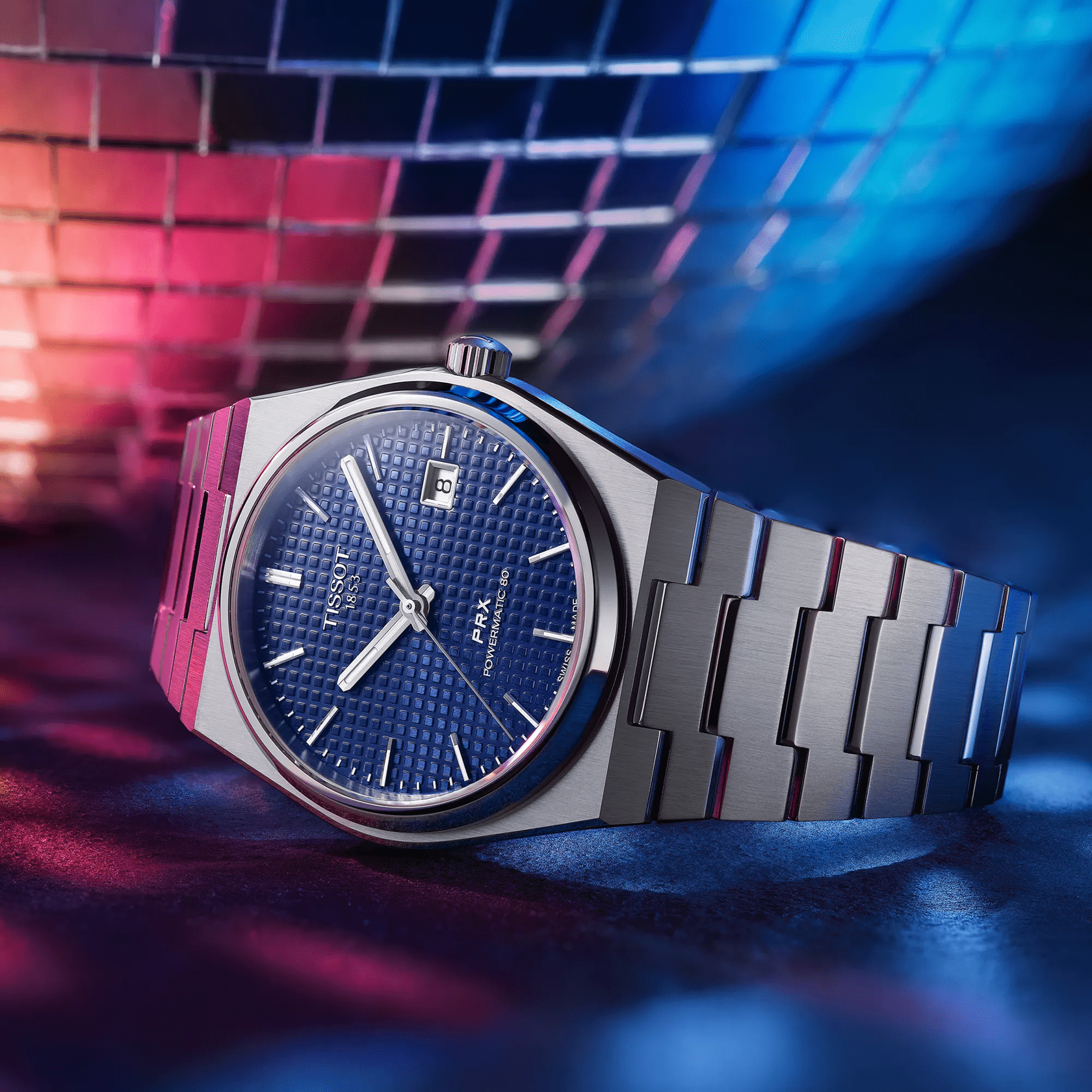
Tissot PRX Powermatic 80 — The Watch That Broke the Internet
The Tissot PRX Powermatic 80 (ref. T137.407.11.041.00) isn’t a Datejust copy, and that’s precisely why it works. The integrated bracelet, flat case sides, and 40mm proportions share DNA with the 1978 original PRX, which itself was Tissot’s response to the integrated-bracelet sport watch trend that the Royal Oak and, yes, the Datejust helped define.
The Powermatic 80 movement delivers an 80-hour power reserve — longer than any current Rolex caliber. The sapphire crystal, 100-meter water resistance, and date complication make it a legitimate daily wearer. The finishing isn’t in the same league as a Rolex Datejust 36mm (ref. 116234), but the design conviction is, and that’s what makes the PRX one of the most talked-about affordable watches of the decade.
Price Comparison: Every Rolex Alternative at a Glance
Here’s a side-by-side look at every watch in this guide, ranked from most affordable to most expensive, alongside the Rolex model it channels.
| Watch | Channels | Price Range | Key Advantage |
|---|---|---|---|
| Orient Ray II | Submariner | $210 – $290 | Cheapest mechanical diver |
| Steinhart Ocean One Vintage | Submariner | $500 – $700 | Closest vintage Sub look |
| Hamilton Khaki Field | Explorer | $450 – $675 | Swiss mil-spec heritage |
| Seiko Speedtimer | Daytona | $500 – $800 | Chronograph pioneer |
| Seiko Alpinist SPB121 | Explorer | $700 – $1,000 | Genuine mountain heritage |
| Seiko Prospex SPB143 | Submariner | $1,100 – $1,400 | Titanium case, 70h PR |
| Yema Superman GMT | GMT-Master II | $1,100 – $1,500 | 300m WR, compact 39mm |
| Yema Speedgraf | Daytona | $1,429 – $1,499 | Auto chrono, 39mm |
| Longines Spirit Zulu Time | GMT-Master II | $3,550 | 72h PR, aviation heritage |
| Tudor Black Bay 58 | Submariner | $4,000 – $5,000 | Same parent as Rolex |
| Tudor Black Bay GMT | GMT-Master II | $4,925 – $5,275 | Pepsi bezel, METAS |
| Nivada Grenchen Chronomaster | Daytona | $2,000 – $2,800 | 1960s racing authenticity |
| Tissot PRX Powermatic 80 | Datejust | $650 – $850 | 80h PR, integrated bracelet |
What Most Buyers Overlook When Choosing a Rolex-Look Watch
The watch community loves to argue about whether homage watches are legitimate or lazy. Here’s the real story: the distinction between “homage” and “original design” is far more nuanced than forum threads suggest. Tudor makes Submariner-inspired divers that share actual manufacturing infrastructure with Rolex. Seiko’s dive watches follow a functional template that Rolex popularized but didn’t invent — Blancpain’s Fifty Fathoms actually predated the Submariner by months. Steinhart produces transparent homages that appeal to collectors who specifically want the vintage Submariner look without the vintage Submariner price.
What actually matters is whether the watch delivers honest value for what you’re paying. A $500 Steinhart with a Sellita movement and proper water resistance is honest value. A $50 clone with a quartz movement pretending to be automatic is not. Our guide on how to spot a fake Rolex covers the tells for counterfeits, which is a completely different category from the legitimate alternatives discussed here.
There’s a contrarian argument worth making here: some of the watches on this list are arguably better built than entry-level Rolex was twenty years ago. A 2005 Air-King ref. 14000M came with a sapphire crystal and the cal. 3130 movement — solid, yes, but a modern Hamilton Khaki Field Mechanical with an 80-hour power reserve and better water resistance costs one-fifteenth the price. Rolex didn’t become a $15,000 brand because of raw specs. It became a $15,000 brand through decades of marketing genius, controlled scarcity, and cultural ubiquity. Nothing wrong with that. But it means that treating Rolex alternatives as inherently inferior misses the point — the specs gap has narrowed dramatically, even if the prestige gap hasn’t.
The other thing worth considering is resale value. Tudor holds its value better than any brand on this list, often retaining 60-70% of retail price on the pre-owned market after three years. Seiko and Hamilton hover around 40-50%. Steinhart and the smaller microbrands tend to depreciate faster, which matters if you plan to flip your watch later. If resale is a priority, lean toward Tudor or Longines. If you’re buying to keep and wear, every brand here delivers genuine quality for the price.
One more consideration that rarely comes up in these discussions: service costs. A Rolex service at an authorized service center runs $800-$1,200 and takes 6-12 weeks. A Tudor service is $400-$600. A Seiko service can be handled by any competent watchmaker for $150-$300. Over a decade of ownership, service costs alone can add up to the price of another watch. If you’re buying a “Rolex look” because you want the style without the total cost of ownership, factor in the long-term maintenance. The alternatives in this guide don’t just save you money at purchase — they save you money every five to seven years when service time rolls around.
Frequently Asked Questions
What watch looks most like a Rolex Submariner?
The Tudor Black Bay 58 is the closest legitimate alternative to the Rolex Submariner. It shares the same parent company, similar 39mm case proportions, a black diver dial, and 200m water resistance. The in-house MT5400 movement with 70-hour power reserve actually outperforms the current Submariner’s power reserve. At roughly $4,000-$5,000, it costs about a third of the Submariner’s secondary market price.
Are watches that look like Rolex legal to buy and own?
Yes. Homage watches — timepieces that draw visual inspiration from Rolex designs without copying trademarks, logos, or proprietary technology — are completely legal to manufacture, sell, and own. The functional design elements of a dive watch (rotating bezel, luminous markers, water-resistant case) cannot be trademarked. What’s illegal is counterfeiting, which involves using Rolex’s crown logo or pretending the watch is genuine Rolex.
What is the best affordable alternative to a Rolex Daytona?
The Seiko Speedtimer offers the strongest value as a Daytona alternative, with a tachymeter bezel, triple-register chronograph dial, and genuine motorsport heritage starting around $500 for solar variants and $700-$800 for mechanical versions. The Yema Speedgraf at roughly $1,450 is a strong step-up option with an automatic chronograph movement in a compact 39mm case.
Is Tudor actually owned by Rolex?
Yes. Tudor is a wholly owned subsidiary of Montres Tudor SA, which is itself owned by the Hans Wilsdorf Foundation — the same private trust that owns Rolex. Hans Wilsdorf founded Tudor in 1926 specifically to offer watches with Rolex reliability at more accessible prices. Today, Tudor operates its own design and manufacturing facilities but shares corporate governance and quality standards with Rolex.
What is the difference between a homage watch and a replica?
A homage watch is a legitimate timepiece produced by a real brand under its own name, drawing visual inspiration from an iconic design without copying trademarks or logos. A replica (or counterfeit) is an illegal product that copies the Rolex name, crown logo, and proprietary markings to deceive buyers into believing it is genuine. The watches in this article are all legitimate products from established brands — none are replicas.
Which Rolex alternative holds its value best?
Tudor holds its value better than any brand on this list, typically retaining 60-70% of retail price on the pre-owned market after three years of ownership. Longines is a strong second at roughly 50-60%. The more affordable options from Seiko, Hamilton, and Orient tend to depreciate to 40-50% of retail, but since their starting prices are lower, the absolute dollar loss is minimal.
The Bottom Line
Rolex makes extraordinary watches, but the reality is that most people who want the look don’t need to spend $15,000 to $40,000 to get it. The Tudor Black Bay 58 gives you Submariner DNA from the same corporate family. The Seiko Speedtimer carries chronograph heritage that genuinely rivals the Daytona’s backstory. The Hamilton Khaki Field offers Explorer-style ruggedness for under $800. And the Tissot PRX captures integrated-bracelet elegance at a tenth of the Datejust’s price.
The best watch is the one you’ll actually wear — not the one you’re waiting three years to maybe get a call about from an authorized dealer. Start with one of these alternatives, and if you eventually decide to move up to Rolex, our guide to 12 iconic Rolex models and their purpose will help you pick the right one. For a broader look at what’s available at different price points, check out our guide to the cheapest Rolex watches you can buy or explore how to become a Rolex expert and understand collections, waiting lists, and more.