

Articles
Rolex Waitlist Scam Exposed: How Buyers Are Losing Thousands
May
Something strange happened in the watch world between 2020 and 2023. Ordinary professionals who walked into a Rolex boutique expecting to buy a Submariner walked out empty-handed, told to “join the list.” That list, it turned out, wasn’t really a list at all. It was a relationship-building exercise dressed up as a queue — and the entire authorized dealer system was designed to reward spending loyalty, not patience.
Scammers noticed. When a steel Daytona retails for $15,100 but trades on the secondary market for $28,000-plus, the gap between MSRP and street price becomes a playground for fraud. Buyers desperate to skip the mythical “waitlist” are wiring deposits to strangers on Instagram, paying “priority fees” to people claiming AD connections, and losing thousands in the process.
The Rolex waitlist scam isn’t one scheme. It’s a collection of tactics that exploit how little most buyers understand about how authorized dealers actually allocate watches. Here’s what’s really happening.
How the Rolex Waitlist Actually Works
Before understanding the scam, you need to understand the system it’s impersonating. Rolex doesn’t sell watches directly to consumers. The brand distributes through roughly 1,100 authorized dealers worldwide, each operating independently within Rolex’s guidelines, as detailed on rolex.com’s official retailer page.
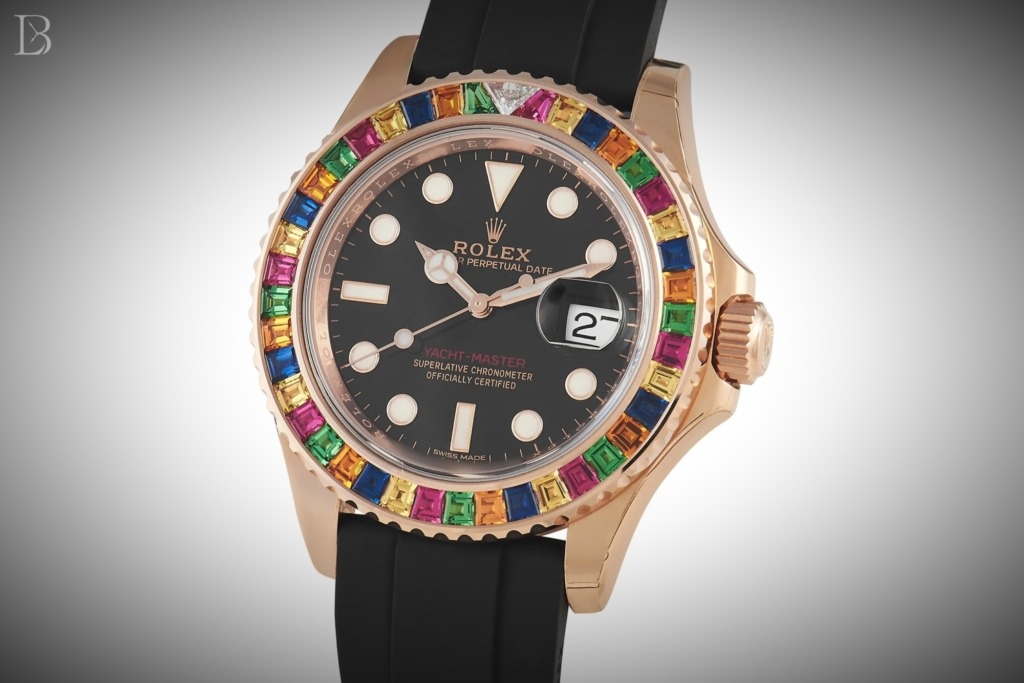
There is no centralized Rolex waitlist. There is no database. When you walk into an AD and express interest in a popular steel sports model, the sales associate might take your name and number. What they’re really doing is adding you to an informal “interest list” — a spreadsheet or notebook that prioritizes clients based on purchase history, relationship, and potential future spending. According to an in-depth analysis by Everest Bands, the hierarchy typically goes like this: existing VIP clients who buy jewelry and less-popular references get first pick, then established watch clients, then everyone else.
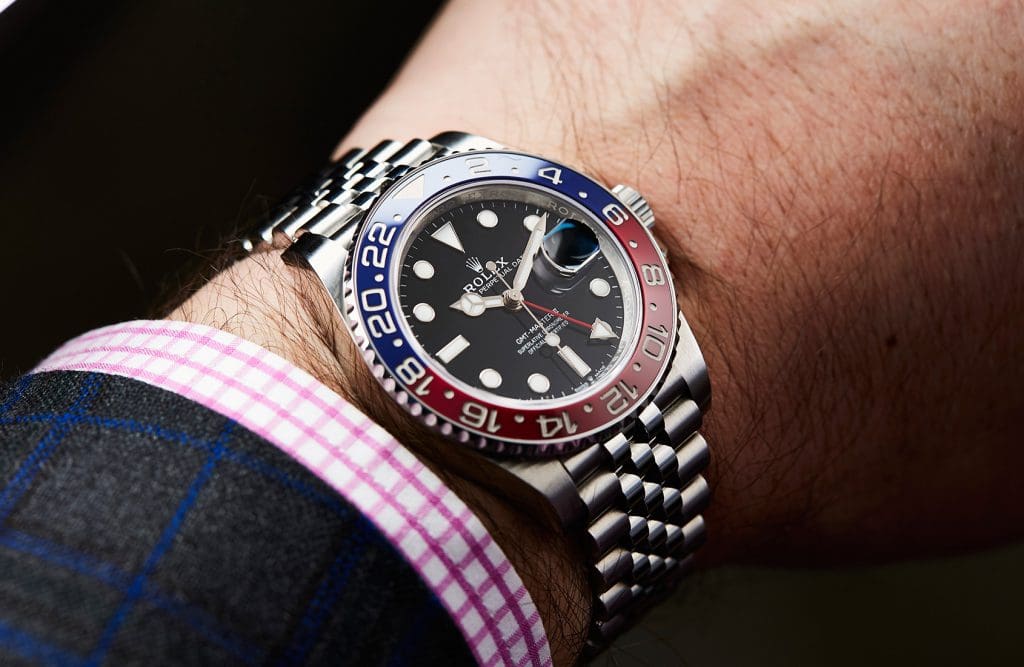
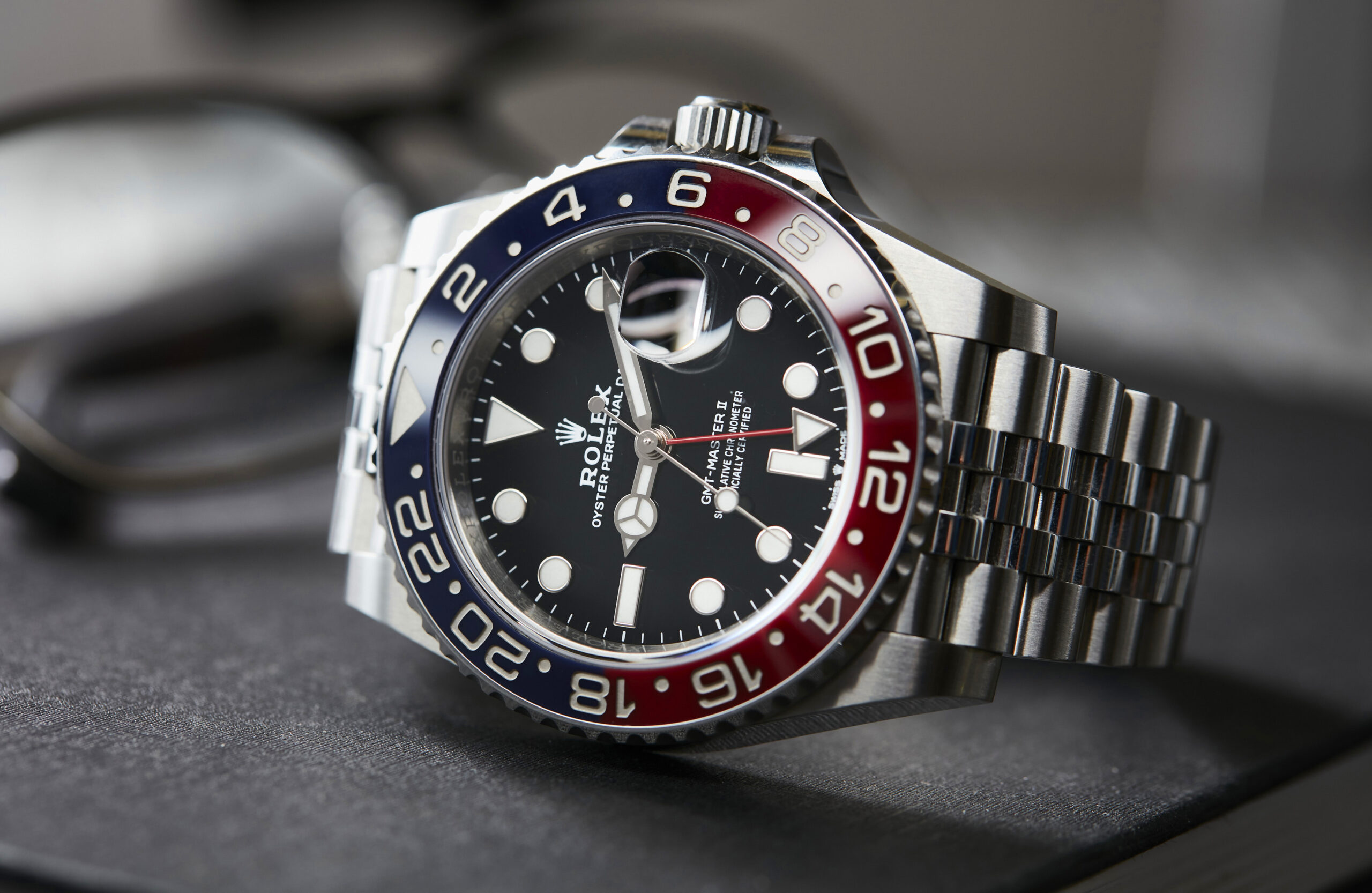
A first-time buyer asking for a steel GMT-Master II Pepsi? That person might wait years. A regular client who just purchased a Lady-Datejust in gold for their spouse? They might get a call in three months.
This opacity is exactly what scammers exploit. When the system is secret, subjective, and unexplainable, anyone claiming to “know a guy” sounds plausible.
The Scam Tactics Exposed
The Rolex waitlist scam takes several forms, but they share a common thread: the fraudster positions themselves between you and an authorized dealer, promising to shortcut a process they don’t actually control.
Fake Waitlist Spots
This is the most direct version. Someone claims to have a relationship with an AD — or to be an AD employee — and offers to secure a specific reference for you. They might show forged emails on official letterhead, fake screenshots of “inventory systems,” or testimonials from supposed satisfied customers. The asking price is typically a “deposit” or “finder’s fee” ranging from $1,000 to $10,000.
The real ADs never work this way. Authorized dealers take deposits only in-store, after a watch has been physically allocated to you, and always with a receipt from the dealership’s point-of-sale system. If someone asks you to wire money to a personal account for a watch that hasn’t been seen in person, it’s a scam.
Social Media Impersonation
Instagram and Facebook Groups have become hunting grounds for Rolex scammers. They create profiles that mimic legitimate dealers or well-known grey market sellers, complete with polished photos of watches in display cases. A direct message offers you a GMT-Master II Batman at retail price — “just a small deposit to hold it.” The profile might even have thousands of followers, many of them purchased bots.
This is exactly the kind of environment explored in our breakdown of where fake watches are commonly sold. The same platforms that move counterfeit watches also move waitlist fraud.
Advance Fee and Crypto Schemes
The most damaging variant involves wire transfers or cryptocurrency payments. The scammer insists on payment through untraceable channels — Zelle to a personal account, Bitcoin, or even gift cards. They create urgency: “This allocation expires Friday” or “Another client is asking about this piece.” Once the money moves, they disappear. No watch. No refund. No recourse.
According to the Federal Trade Commission’s consumer protection data, luxury goods scams involving wire transfers and crypto have risen sharply, and Rolex is one of the most frequently mentioned brands in watch-related fraud reports.
The Most Targeted Rolex Models
Not every Rolex is equally attractive to scammers. The models that generate the most fraud attempts are the ones with the widest gap between retail price and secondary market value. Here’s the hit list, based on data from Bob’s Watches and community reports:
| Model | Retail Price | Secondary Market Premium | Typical Scam “Fee” |
|---|---|---|---|
| Steel Daytona 116500LN | ~$15,100 | 85-131% above retail | $2,000-$10,000 |
| GMT-Master II Pepsi 126710BLRO | ~$11,050 | 38-60% above retail | $1,500-$5,000 |
| GMT-Master II Batman 116710BLNR | ~$11,050 | 30-50% above retail | $1,000-$4,000 |
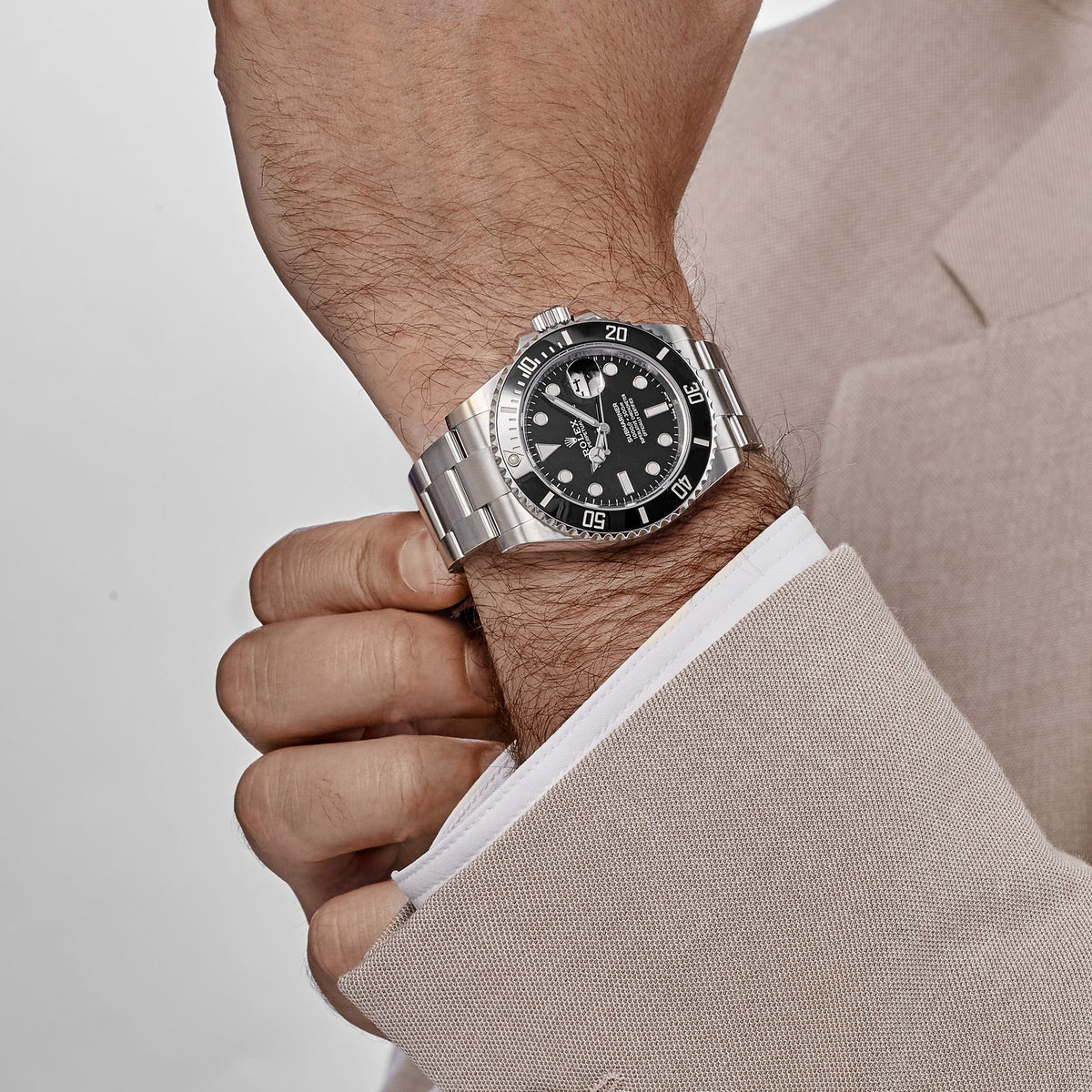
| Submariner Date 126610LN | ~$10,250 | 15-30% above retail | $500-$3,000 |
The math is seductive. A buyer sees a steel Daytona trading at $30,000+ and thinks: “If I can get it at retail for $15K, even paying a $5K ‘finder’s fee’ still puts me ahead.” That logic is exactly what the scammer is counting on.
The Historical Irony Nobody Talks About
Here’s something most Rolex content won’t tell you: the “impossible to get” narrative is relatively new. In the late 1990s and early 2000s, you could walk into most authorized dealers and buy a steel Daytona off the display case. The evolution of Rolex designs didn’t change — the marketing did. Rolex deliberately tightened supply through the 2010s, reducing allocation relative to demand even as they scaled manufacturing capacity. The industry reports covered by Hodinkee and Morgan Stanley show Rolex producing over 1.2 million watches annually by 2024, yet allocation to individual ADs for hot references can be as low as two or three pieces per year.
The shortage is real at the boutique level but manufactured at the corporate level. And when you combine artificial scarcity with zero price transparency, you create the perfect conditions for fraud. The scammers aren’t just stealing money — they’re exploiting a system that was designed to feel exclusive in the first place.
Red Flags Every Buyer Should Know
Protecting yourself starts with pattern recognition. Here are the unmistakable warning signs:
Any request for payment before in-store verification. Legitimate ADs only accept payment at the store, after you’ve inspected the watch. Anyone asking for a deposit via Venmo, wire, or crypto before you’ve held the timepiece is running a scam.
“Guaranteed” allocation timelines. No authorized dealer can promise you a specific delivery date for a high-demand model. If someone says “I can get you a Pepsi GMT in two weeks,” they’re either lying or selling you a grey market watch at a massive markup (which is a different conversation entirely).
Communication only through DMs or WhatsApp. Real ADs communicate through official store email addresses and phone numbers. They don’t conduct business through Instagram DMs.
Pressure tactics. “This spot opens up once a year” or “I have three other clients interested” — this manufactured urgency is designed to bypass your critical thinking. A genuine AD might tell you a watch is popular, but they won’t hold a gun to your head.
No physical address or storefront. If you can’t visit a location, verify it on Google Maps, and see the operation with your own eyes, don’t send money. Period.
Real Wait Times in 2025-2026 (The Honest Picture)
The watch market has shifted. Prices on the secondary market have cooled significantly from their 2022 peaks, and some waitlists have shortened too. Based on aggregated reports from the Rolex Forums and dealer communications, here’s where things actually stand:
Submariner Date (126610LN): Weeks to 3 months for buyers with minimal purchase history at many US and UK dealers. Some walk-in availability reported at suburban locations.
Submariner No-Date (124060): Often available within 1-4 weeks. One of the most accessible professional models right now.
GMT-Master II Pepsi (126710BLRO): Still 1-3 years for most buyers. High-demand variant with strong secondary premiums.
GMT-Master II Batman (126710BLNR): 6-18 months depending on relationship. Shorter at high-volume dealers.
Steel Daytona (116500LN): 2-5+ years. Still the hardest regular-production Rolex to obtain. Requires established purchase history at most ADs.
Explorer II (226570): Often 1-3 months. Good entry point for building a relationship with an AD.
The takeaway? Wait times for many models have compressed dramatically since the frenzy years. A patient buyer who walks into multiple ADs, builds a genuine relationship with a sales associate, and expresses interest in the right reference can get a Submariner or Explorer far faster than internet forums suggest.
How to Legitimately Get a Rolex Without the Waitlist
If you want a Rolex and don’t want to play the AD game or risk getting scammed, you have options that don’t involve strangers on Instagram:
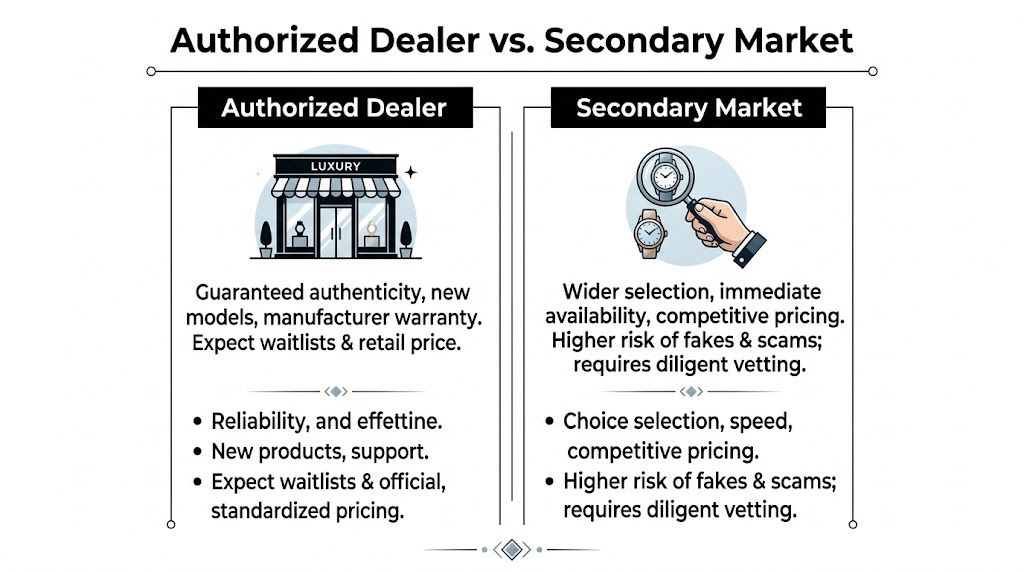
Buy pre-owned from established dealers. Platforms like Chrono24, Bob’s Watches, and WatchBox offer authenticated pre-owned Rolex watches with buyer protection. You’ll pay above retail for hot models, but you’ll actually receive the watch.
Consider the Certified Pre-Owned program. Rolex launched its own CPO program, available through select authorized dealers. These are genuine, authenticated watches with a two-year international guarantee. Prices sit between retail and grey market.
Build a real relationship with an AD. Walk in. Be polite. Buy something small — a watch for a family member, a leather goods item, even just visit regularly and chat with the same associate. The system rewards loyalty over time, as outlined in our authorized vs. replica Rolex debate breakdown.
Explore less-hyped models. The Oyster Perpetual, Air-King, and many Datejust configurations are often available with minimal wait. They’re every bit as well-made as the hyped sports models.
What to Do If You’ve Been Scammed
If you’ve already sent money to a scammer:
- Contact your bank immediately. Wire transfers are hard to reverse, but some banks can intercept payments within 24-48 hours if reported quickly.
- File a report with the FTC at reportfraud.ftc.gov.
- Report the social media account that contacted you. Instagram and Facebook have fraud reporting tools.
- Document everything. Screenshots of conversations, payment receipts, profile information — all of it helps if law enforcement gets involved.
- Check if your payment method offers protection. Credit cards and PayPal offer buyer protection that wire transfers and crypto do not.
Frequently Asked Questions
Is the Rolex waitlist real?
The Rolex waitlist exists, but it’s not a traditional first-come, first-served queue. Each authorized dealer maintains an informal “interest list” and prioritizes clients based on purchase history, relationship, and spending potential. Being on the list doesn’t guarantee you’ll receive a watch within any specific timeframe.
How do I know if a Rolex dealer is legitimate?
Only buy from authorized dealers listed on rolex.com, or from established pre-owned dealers with verifiable physical addresses and reviews. Any dealer who pressures you to pay via wire transfer, crypto, or gift cards before you see the watch in person should be avoided.
Can someone really get me a Rolex faster?
Nobody outside the authorized dealer network can “skip the line” for you. Grey market dealers can sell you watches above retail, but they’re selling inventory they already own — not waitlist access. Anyone claiming insider connections who asks for advance payment is almost certainly running a scam.
How much money do people lose to Rolex scams?
Individual losses range from $1,000 to over $50,000 depending on the scheme. Advance fee scams targeting high-end models like the steel Daytona tend to produce the largest losses. The FTC tracks luxury goods fraud, but many cases go unreported due to embarrassment.
Are Rolex waitlist scams getting worse?
Yes. As long as the gap between retail and secondary market prices persists, scammers have a financial incentive to target Rolex buyers. Social media platforms have made it easier than ever for fraudsters to reach potential victims and create convincing fake identities.
Don’t Let the Chase Cost More Than the Watch
The desire to own a Rolex is understandable. These are extraordinary timepieces with genuine horological pedigree. But no watch — not a Daytona, not a Pepsi GMT, not any reference — is worth losing thousands of dollars to a scammer who exploited your enthusiasm.
The best protection is information. Understand how the AD system actually works. Recognize that anyone offering to “shortcut” it for a fee is almost certainly lying. And if a deal feels too good to be true, it is. The wait might be long, but the watch will still be there when your name comes up legitimately. Check out our guide to spotting fake Rolex watches for more protection tips.