

Articles
Rolex Buyer FAQ: Everything You Need to Know Before Buying a Rolex in 2026
May
Three years ago, walking into an authorized dealer and asking for a steel Daytona would get you a polite smile and nothing else. Today? Same smile, same nothing else but the math around you is different. Retail prices have climbed 2 to 6 percent in 2026 depending on the model, yet the secondary market has cooled from its post-pandemic fever dream. Some gold Rolexes now trade below their official sticker price on the pre-owned market. Steel sports models still command premiums, but not the lunatic numbers of 2022.
This FAQ tackles the questions buyers actually ask, not the sanitized version. Real prices, real wait times, real strategies. Whether you are buying your first Rolex or your fifth, the terrain has shifted enough that a fresh look is worth your time.
How Much Does a Rolex Cost in 2026?
The short answer: anywhere from roughly $7,800 for an Explorer to well over $100,000 for a diamond-set Day-Date in platinum. The real answer depends on three variables: which model, which metal, and whether you are buying from an authorized dealer at MSRP or on the secondary market.
Here is a breakdown of the most popular references and where they stand as of early 2026, drawing on current retail pricing and gray market data from Luxury Bazaar’s 2026 Rolex waitlist guide and ECI Jewelers’ buying guide:
| Model | Reference | 2026 MSRP (USD) | Typical Secondary Market | Premium vs Retail |
|---|---|---|---|---|
| Explorer 40 | 224270 | ~$8,000 | Near retail | Low |
| Submariner No-Date | 124060 | ~$10,000 | ~$11,800 | +18% |
| Submariner Date | 126610LN | ~$11,400 | ~$15,750 | +38% |
| Datejust 36 Fluted/Jubilee | 126234 | ~$13,850 | ~$17,800 | +29% |
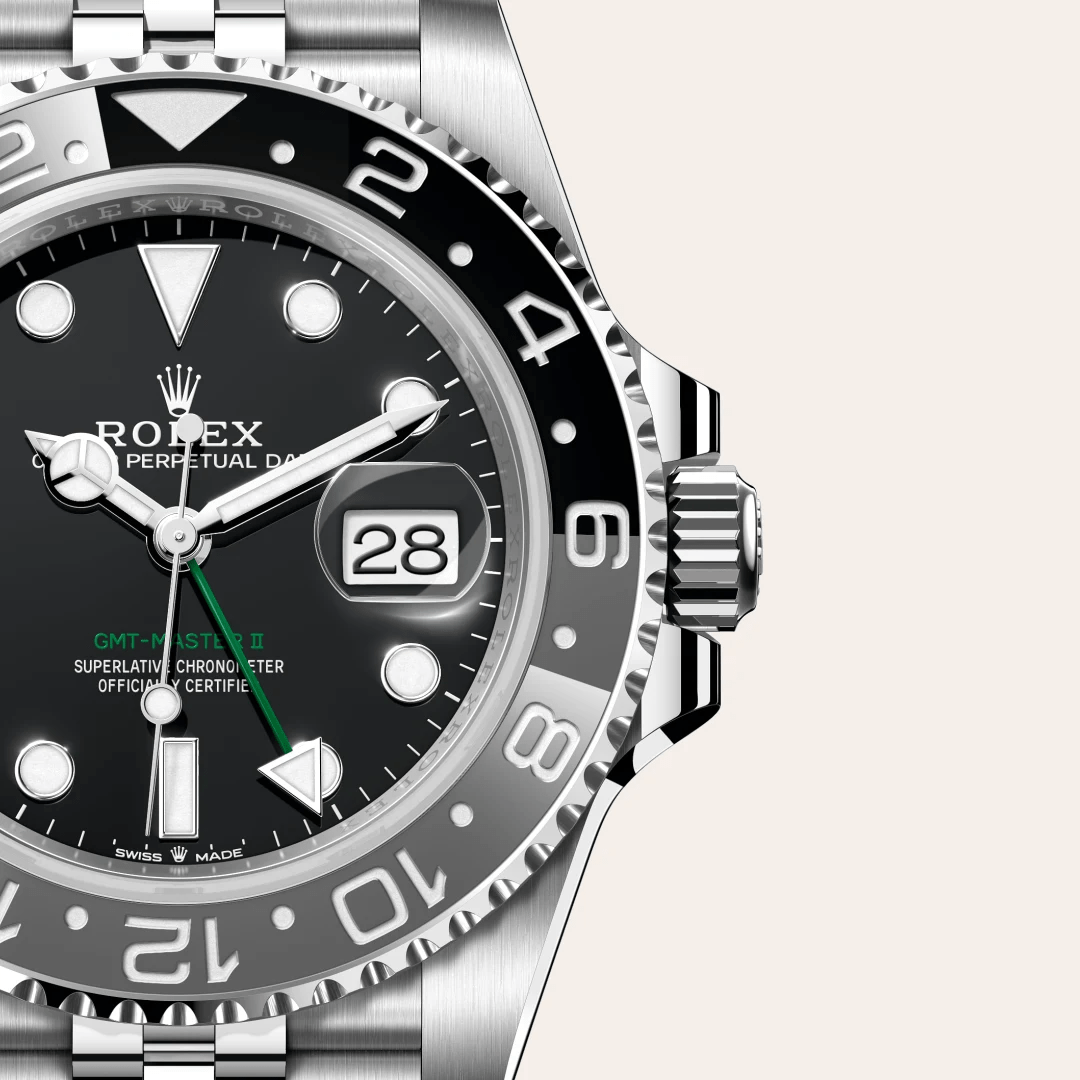
| GMT-Master II Pepsi | 126710BLRO | ~$13,980 | ~$23,500 | +68% |
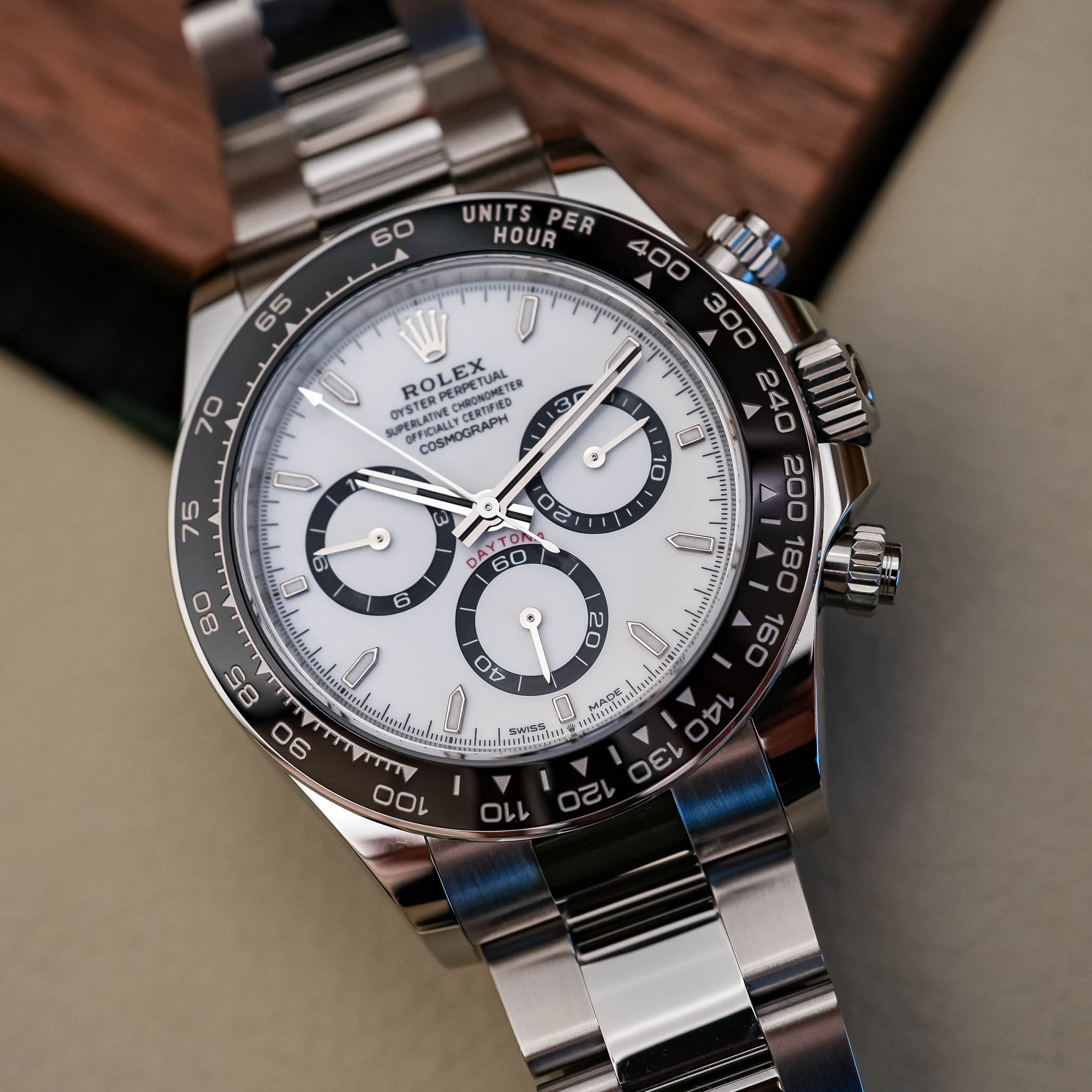
| Daytona Steel | 126500LN | ~$16,900 | ~$36,500 | +116% |
| Sky-Dweller Steel | 336934 | ~$20,900 | ~$24,500 | +17% |
Notice the gap between the Explorer and the Daytona. The Explorer trades close to MSRP because supply is more manageable. The steel Daytona commands more than double its retail price because Rolex produces far fewer than the market demands, and every collector wants one.
Something else catches people off guard: precious metal models often cost less on the secondary market than at retail. A yellow gold Submariner trades roughly 12 percent below MSRP. A white gold Submariner? Closer to 31 percent below. If you have the budget and actually want gold, the pre-owned market is where the value is right now.
How Long Are Rolex Wait Times?
Rolex does not run a centralized waitlist. Each authorized dealer manages their own allocation, and the system rewards purchase history, loyalty, and patience. What follows are reported ranges from multiple dealer sources and buyer reports aggregated in 2026, consistent with wait-time analysis from Hodinkee’s Rolex coverage.
Relatively accessible (0–6 months with purchase history):
- Two-tone Datejust
- Explorer / Explorer II
- Two-tone Submariner
- Solid gold sports models (yes, really)
Moderate wait (6–18 months):
- Steel Submariner Date (black bezel)
- Steel Submariner No-Date
- Steel Datejust in popular configurations
Long wait (1–3 years):
- GMT-Master II Batman (126710BLNR)
- GMT-Master II Pepsi (126710BLRO)
- Certain Sky-Dweller dial variants
Effectively VIP-only (2–5+ years without history):
- Steel Daytona Panda (126500LN)
- Steel Daytona with ceramic bezel in most configurations
Anecdotally, Fridays tend to be when shipments arrive at AD showrooms. Several dealers have confirmed this off the record. If you have a standing request with your sales associate, a Friday afternoon check-in call is not a bad strategy.
Which Rolex Should Be Your First?
This is the question that launches a thousand forum threads. The honest answer depends on your wrist, your wardrobe, and your tolerance for waiting.
The Datejust is the most recommended first Rolex for good reason. The Rolex Datejust 36mm White Dial 116234 with its fluted bezel and Jubilee bracelet works with everything from a suit to a t-shirt. It is recognizable without screaming for attention. Wait times are reasonable, especially if you are flexible on dial color. Two-tone Datejusts are even easier to source. For deeper reading on what makes this collection special, check out our guide to becoming a Rolex expert.
The Submariner is the iconic choice. The Rolex Submariner 40mm Black Dial 116610LN is the dive watch that defined an entire category. It is sportier than the Datejust, more casual, and carries more cultural weight. You can read more about its heritage in our piece on the Submariner as the iconic dive watch. Expect a longer wait, but it is achievable if you build a relationship with one dealer.
The Explorer is the sleeper pick. Lower profile, historically rich, and usually available much closer to MSRP. It is the watch for someone who wants Rolex quality without the social signaling. If you want to understand how it fits in the broader lineup, our overview of 12 iconic Rolex models and their purpose breaks down each collection’s design intent.
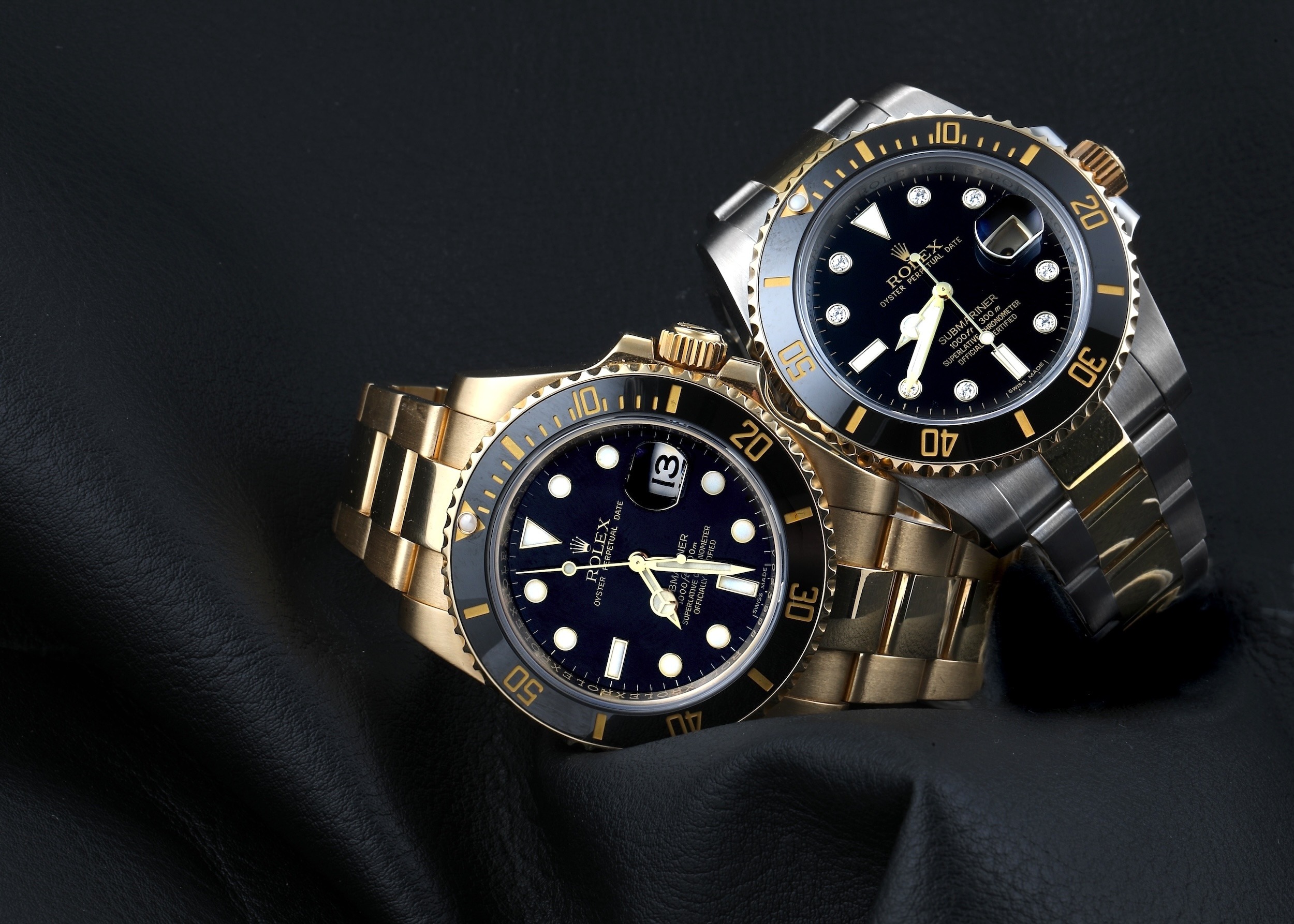
Here is something most buyer guides skip: the “best first Rolex” conversation changed in 2025-2026 because the value equation flipped. Gold models that used to be terrible purchases from a depreciation standpoint now trade below retail on the secondary market. A pre-owned yellow gold Rolex Daytona 40mm Black Dial 116523 might actually cost you less than a steel Daytona at gray market prices, and you get a significantly more luxurious watch. The depreciation has already happened. If you plan to keep it, that matters more than resale percentages.
Authorized Dealer vs. Gray Market: What You Need to Know
Buying from an authorized dealer gives you the full factory warranty, guaranteed authenticity, and the beginning of a relationship that can unlock harder-to-get pieces down the line. The downside is obvious: you wait, sometimes years, for the model you want.
The gray market, despite the name, is perfectly legal. These are authorized dealers, distributors, or established resellers selling watches they have acquired legitimately. You pay a premium above MSRP for availability, but you get the watch now.
When the gray market makes sense:
- You want a steel Daytona or Pepsi GMT and do not have years to wait
- You are buying a discontinued reference that is no longer available at retail
- You find a precious-metal model below MSRP, which happens more often than people think
When to stick with an authorized dealer:
- It is your first Rolex and you want the full warranty and experience
- You plan to buy multiple watches over time and want to build purchase history
- The model you want is available at or near retail (Explorer, two-tone models, some Datejusts)
For a deeper dive into this debate, our authorized vs. replica Rolex discussion covers the full spectrum of buying channels.
A practical tip that took me too long to learn: if you go the gray market route, verify the seller through forums, check their return policy, and insist on the original box and papers. The major platforms like Chrono24 and Bob’s Watches have authentication processes, but smaller dealers vary wildly in quality. For comprehensive advice on spotting red flags, our guide to how to spot a fake Rolex covers authentication from multiple angles.
Is a Rolex a Good Investment?
Let’s be direct: if your primary goal is financial return, buy an index fund. Rolex watches can hold value, and certain references appreciate, but the market is not as predictable as social media would have you believe. As Hodinkee’s market reporting has documented, secondary market premiums have contracted significantly since their 2022 peaks.
The steel sports models have been the strongest performers. A steel Daytona Panda purchased at retail for roughly $16,900 can command around $36,500 on the secondary market in 2026. A Pepsi GMT bought at $13,980 might fetch $23,500. Those are remarkable premiums. But here is the catch: almost no one buys those models at retail without years of purchase history at an authorized dealer. If you are paying secondary market prices, you are already buying at the premium, not capturing it.
The models that tend to hold value best share a few traits: stainless steel construction, sport design, limited or discontinued references, and strong cultural demand. Rolex movements also play a role; the in-house calibers with proven reliability add long-term confidence.
What most people overlook in the “Rolex as investment” conversation is the cost of ownership. A full service every 5 to 10 years runs $800 to $1,500 depending on the model. Insurance adds another 1 to 2 percent of the watch’s value annually. Add those up over a decade, and a watch that merely holds its nominal price has actually cost you money in real terms. The collapse of the watch market that began in 2023 is a reminder that prices can fall, sometimes sharply, when speculative demand evaporates.
Buy the watch because you want to wear it. If it holds value, consider that a bonus.
How Do I Know If a Rolex Is Authentic?
Authentication is not a single test. It is a process of checking multiple elements that collectively tell you whether a watch is genuine.
Start with the basics:
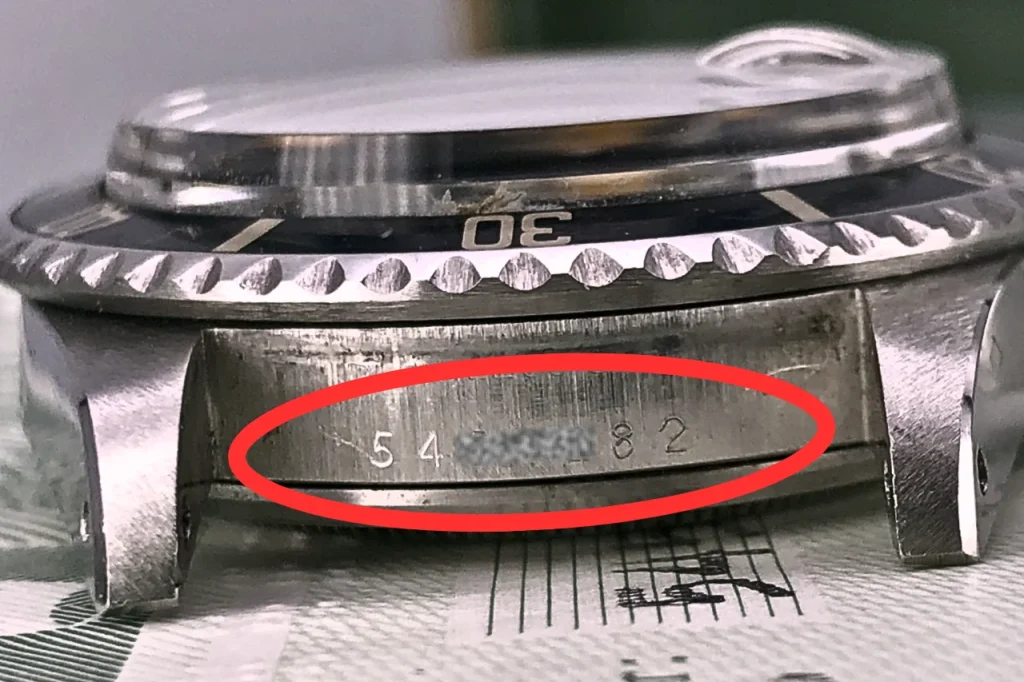
- Serial and reference numbers: Match them against Rolex’s known production ranges. The serial is engraved on the inner bezel (modern watches) or between the lugs (older models).
- Dial printing: Rolex uses a specific printing process that produces incredibly crisp text. Blurry coronets, uneven spacing, or off-center text are red flags.
- Cyclops magnification: The date magnifier on a genuine Rolex magnifies the date 2.5 times. Many counterfeits get this wrong.
- Weight: A genuine Rolex has real heft. If it feels surprisingly light, something is off.
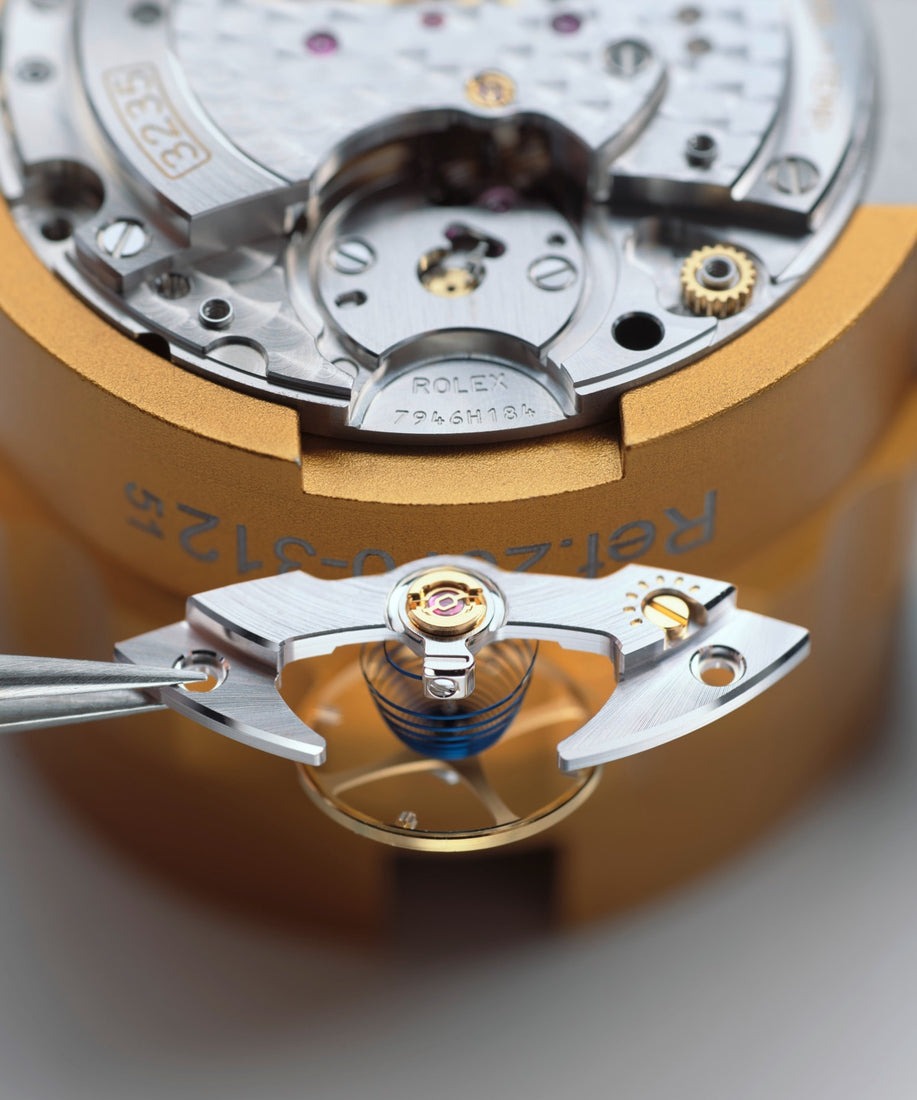
- Movement: Through the case back (if transparent) or by a watchmaker opening it, the movement should show the distinctive Rolex finishing and engraving.
The most reliable approach: buy from an authorized dealer or use a professional authentication service. If you are buying pre-owned from a private seller, factor in the cost of an independent inspection. It typically runs $100 to $300 and can save you thousands. Services like those outlined on Bob’s Watches authenticity guide provide a useful framework for what to check.
For a thorough walkthrough, our guide to spotting fake Rolex watches includes video resources that show the differences in real time. The evolution of replica watches has made visual inspection alone unreliable, as detailed in our history of replica Rolex watches, where modern super-clones can fool all but trained professionals.
New vs. Pre-Owned: Which Is the Smarter Buy?
This question has a different answer than it did three years ago.
Buy new if:
- You want the complete unworn experience with factory warranty
- The model you want is available at retail without an absurd wait
- You value the relationship-building aspect with an authorized dealer
Buy pre-owned if:
- You want a specific model immediately
- You are shopping for a gold or two-tone Rolex, where secondary market prices often sit below retail
- You want a discontinued reference
- You are budget-conscious and can find a well-maintained piece at a fair price
The pre-owned market in 2026 is more liquid and more transparent than it has ever been. Platforms provide condition reports, service history, and return windows. The old stigma of “someone else’s watch” has largely evaporated among serious collectors. For those considering the entry-level end of the spectrum, our guide on what the cheapest Rolexes cost maps out the most affordable entry points.
What Does Rolex Servicing Cost?
A standard service interval for a modern Rolex is roughly 5 to 10 years, depending on how the watch is worn and stored. The official recommendation from rolex.com is to have your watch serviced when you notice accuracy drifting beyond the expected range.
Typical service costs:
- Basic service (cleaning, oiling, regulation): $800 to $1,200
- Full overhaul with parts replacement: $1,200 to $2,000+
- Vintage or complicated models: can exceed $2,500
Rolex service centers replace all worn parts, reseal the case for water resistance, and test the movement to chronometer specifications. Independent watchmakers can be less expensive, but using non-Rolex parts may affect collector value.
An often-overlooked detail: polishing during service removes material from the case and lugs. If you plan to sell the watch later, collectors pay a premium for unpolished or lightly polished examples. Tell your service center explicitly if you want to skip polishing or minimize it.
What Are the Rolex Reference Numbers Telling You?
Those alphanumeric codes on your Rolex are not random. They encode the model family, material, and sometimes the bezel or dial variant. Understanding them makes you a more informed buyer.
For a complete breakdown, our Rolex reference number guide walks through every digit, but here are the key patterns:
- First 2-3 digits identify the model family (12 = Datejust, 116 = modern Submariner, 126 = current generation)
- Last digits often indicate material (0 = steel, 3 = Rolesor yellow gold/steel, 4 = white gold/steel, 5 = Everose gold, 8 = yellow gold, 9 = white gold)
- Suffix letters designate bezel or dial specifics (BLRO = blue/red “Pepsi” bezel, BLNR = blue/black “Batman” bezel, LN = luminous/black)
Knowing this system lets you read a reference number and immediately understand what you are looking at, which is particularly useful when browsing pre-owned listings where descriptions can be inconsistent.
What Should I Check Before Buying a Pre-Owned Rolex?
Go through this checklist methodically:
- Reference and serial numbers — verify they match the paperwork and the correct production era
- Box and papers — original box, warranty card, manual, and any service records
- Service history — when was it last serviced, and by whom?
- Bracelet stretch — excessive sag between links indicates heavy wear
- Crystal condition — scratches are normal; chips near the edge are more concerning
- Bezel action — should click firmly and align precisely with the dial markers
- Crown operation — should screw down smoothly without grinding
- Clasp integrity — check for excessive play or misalignment
- Polish history — ask the seller directly; sharp edges and crisp bevels suggest minimal polishing
- Seller reputation — reviews, forum history, return policy, and how long they have been in business
For expensive purchases, an independent authentication is worth every penny. It adds a few days and a few hundred dollars to the process but provides peace of mind that no amount of visual inspection alone can match.
The Question Nobody Asks But Should: What Happens After You Buy?
Here is something the forums rarely discuss. The period immediately after buying a Rolex is when most people make their biggest mistake: they do not register the warranty, they do not get it sized by a professional, and they do not photograph it thoroughly for insurance purposes.
Within the first week of ownership, you should:
- Register the warranty with Rolex if buying new
- Take detailed photographs from every angle for insurance records
- Add it to your insurance policy — standard homeowner’s insurance often does not cover watches above a certain value without a specific rider
- Get the bracelet sized at a proper watchmaker, not the jewelry counter at a mall
- Set the date and time correctly and track its accuracy over the first month to establish a baseline
A well-documented watch is easier to insure, easier to sell later, and more enjoyable to own. It takes thirty minutes and saves potential headaches for years.
Frequently Asked Questions
How can I improve my chances of getting a popular Rolex from an authorized dealer?
Build a genuine purchase history with one dealer. Buy jewelry, a less-hyped watch, or accessories. Be specific about the model you want but remain flexible on dial or bracelet variations. Visit regularly but respectfully. Do not switch between five different dealers hoping one comes through faster. The AD relationship is a long game, and the buyers who get the steel Daytona are almost always the ones who have spent years and significant money at that same store.
Are Rolex prices going up or down in 2026?
Retail prices increased 2 to 6 percent in January 2026, with gold models seeing the largest hikes. Secondary market prices have stabilized compared to the peaks of 2021-2022. Steel sports models still command strong premiums, but the speculative frenzy has subsided. Some gold and two-tone references now trade below retail on the secondary market. For a detailed breakdown, see our analysis of the Rolex price increase trends.
Can I negotiate the price of a Rolex?
At an authorized dealer, the price is fixed. There is no negotiation on new Rolex watches at retail. In the pre-owned and gray market, there is more flexibility, particularly on models that have been sitting in inventory. Polite offers are welcome; lowball offers are not. The best approach is to research recent comparable sales on platforms like Chrono24 and make a fair offer backed by data.
What is the cheapest Rolex I can buy?
The current entry point for a new Rolex is the Oyster Perpetual, starting around $6,500 to $7,000 at retail for a 28mm or 31mm model. The Explorer 36 comes in around $7,800. In the pre-owned market, older Air-King and Oyster Perpetual references can be found under $5,000. Our guide on buying a cheaper Rolex covers the budget-friendly options in detail.
How often should I service my Rolex?
Rolex recommends servicing when the watch begins to lose accuracy noticeably. In practice, most owners service every 5 to 10 years. If the watch is exposed to water, shocks, or extreme temperatures regularly, lean toward the shorter end of that range. A watch that sits in a winder or safe most of the year can go longer between services.
What does “full set” mean when buying pre-owned?
A full set includes the watch, original box, warranty card or papers, manual, and sometimes the hang tag and receipt. Full sets command higher prices than watch-only sales because they provide provenance and make future resale easier. If you plan to sell the watch someday, always keep every piece of the original packaging.
Should I buy a Rolex now or wait?
If you find the watch you want at a price you are comfortable with, buy it. Timing the watch market is no easier than timing the stock market. The current market is more balanced than it has been in years, which means there are genuine deals on precious metal models and reasonable prices on many steel sports references. Waiting for a “better time” usually means missing the watch you actually wanted.