
Articles
Why Rolex Remains the Undisputed King of Luxury Watches in 2026
Apr
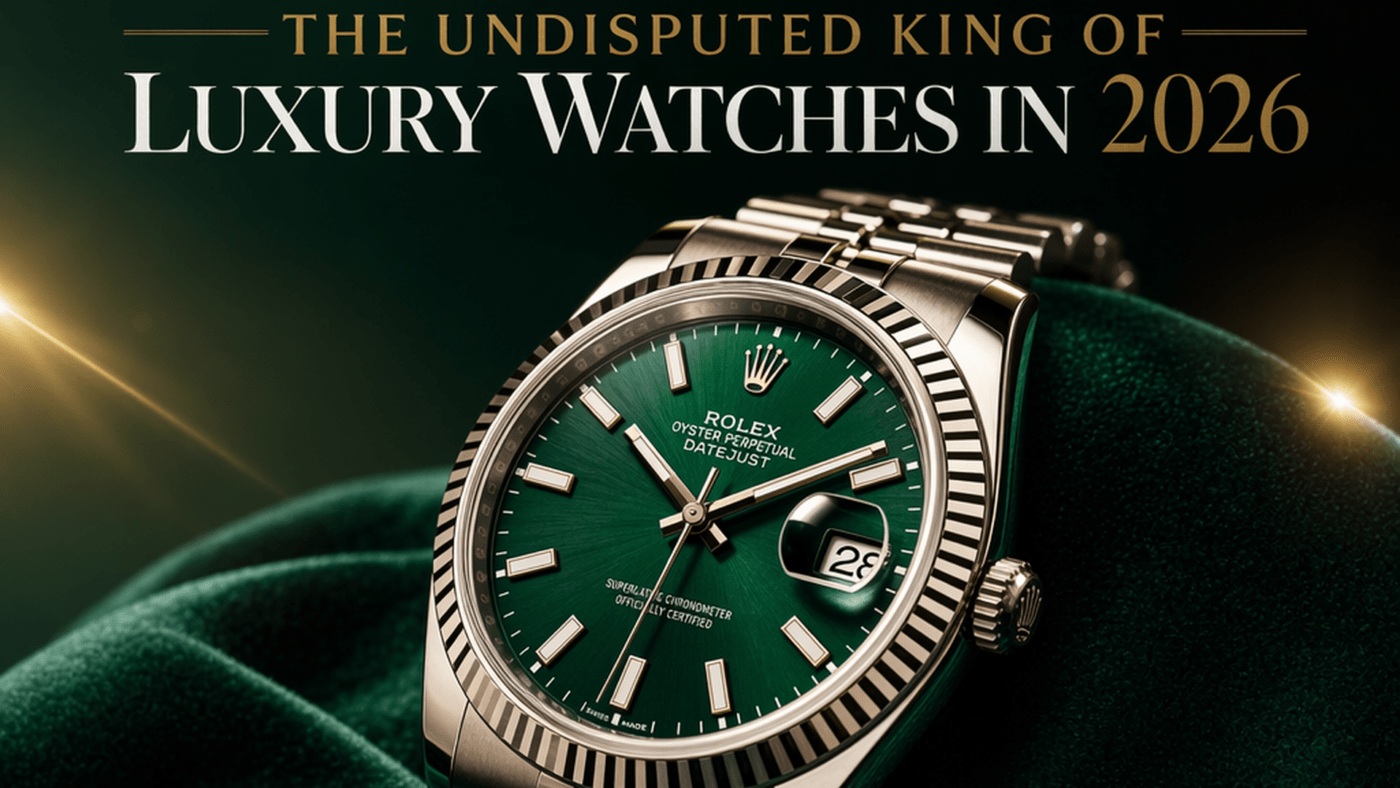
Walk into any watch boutique, ask the dealer which brand holds its value best, and the answer comes back the same every time: Rolex. It has been that way for decades, and as of 2026, the Crown’s grip on the luxury watch market is tighter than ever. Rolex pulled in CHF 10.6 billion in sales during 2024 alone, good for 32.1% of the entire global luxury watch market. That is not just market leadership. That is a category of one.
So what keeps Rolex luxury watches at the top when competitors with deeper complication catalogs and older pedigrees struggle to keep pace? The answer sits at the intersection of engineering discipline, deliberate scarcity, and a brand story so consistent it has become part of the cultural furniture.
A Century of Innovation That Started Underwater
Rolex was not always the juggernaut it is today. Hans Wilsdorf registered the trademark in 1908 with a specific goal: make wristwatches that people actually trusted to keep accurate time. At the time, pocket watches ruled, and wristwatches were considered fragile novelties for women. Wilsdorf picked the name “Rolex” specifically because it was short, easy to pronounce in any language, and looked good on a watch dial. That attention to how a brand feels as much as how it performs would become a running theme.
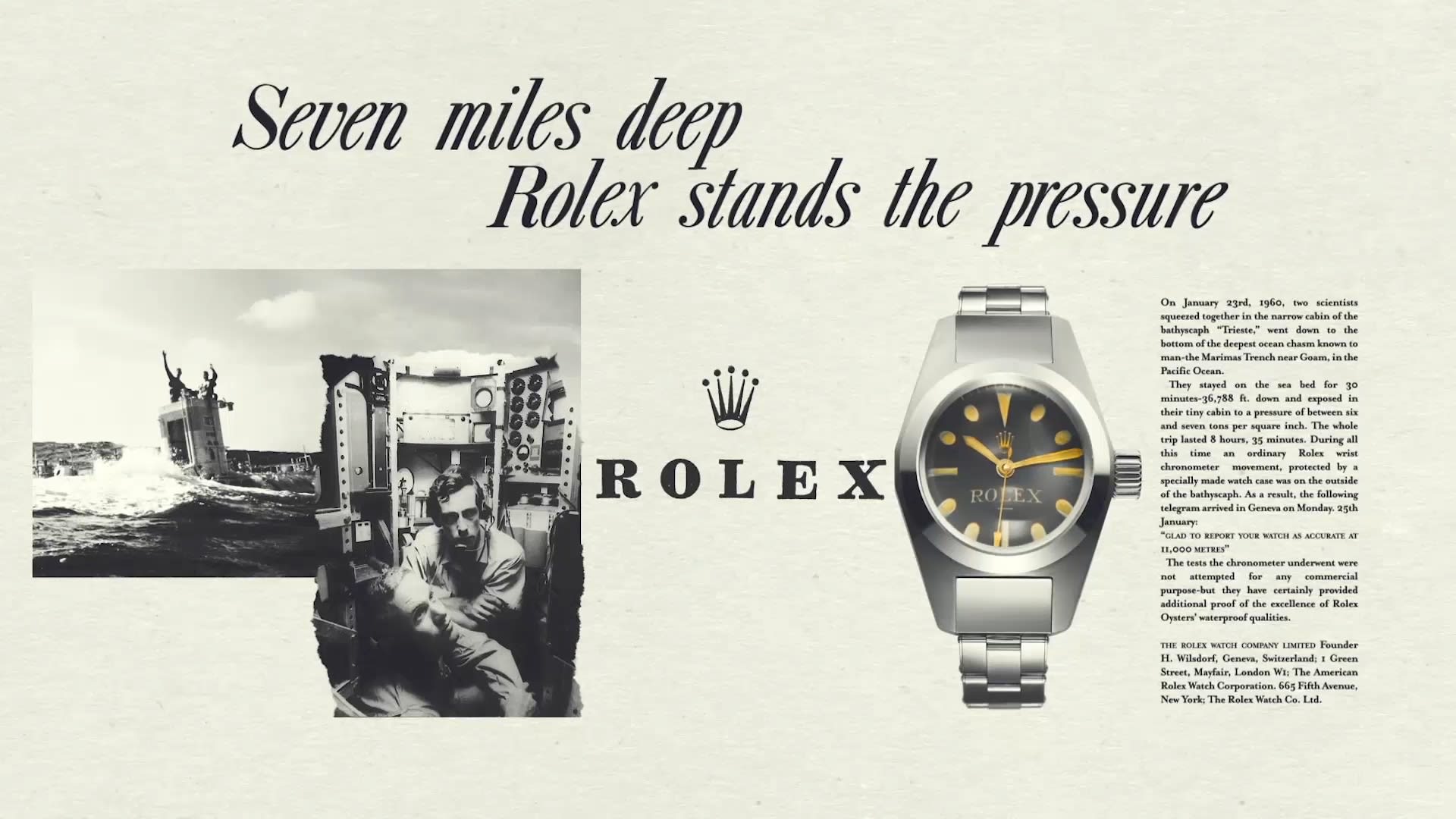
The turning point came in 1926 with the Oyster case, the first genuinely waterproof and dustproof wristwatch case. Rolex proved it worked by strapping an Oyster to Mercedes Gleitze during her English Channel swim attempt in 1927. The watch kept perfect time in freezing saltwater. That single stunt did more for Rolex credibility than a century of traditional advertising could achieve. And it established a playbook the brand still follows: prove the product in extreme conditions, then let the story sell itself.
Five years later, the Perpetual rotor arrived in 1931, giving the world its first reliable self-winding mechanism. Every automatic watch made today, from Seiko to Patek Philippe, uses a descendant of that rotor system. Rolex did not invent the automatic concept, but it patented the version that actually worked reliably and became the industry standard. The movements behind these innovations deserve their own deep dive, but the short version is that Rolex built its reputation on solving real problems rather than creating complications for their own sake.
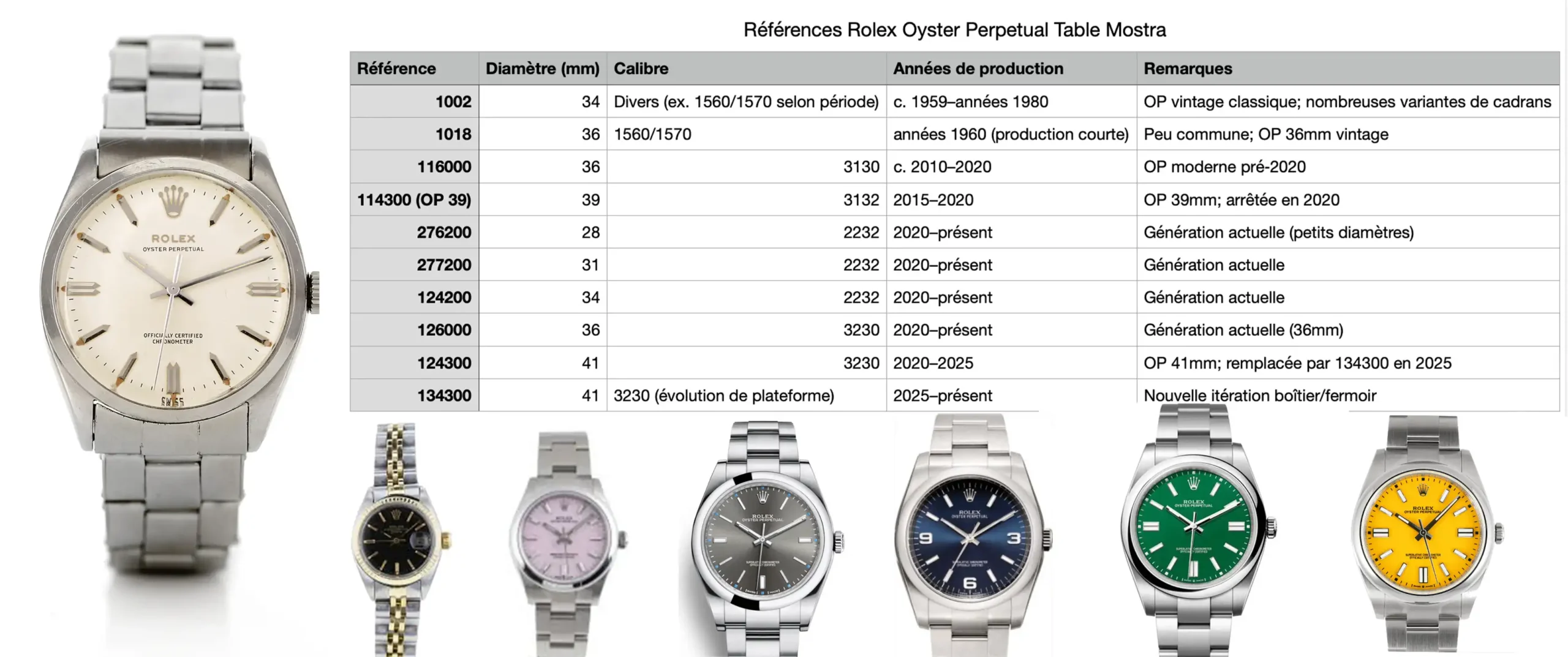
From there, the hits came in rapid succession: the Datejust in 1945, the Submariner in 1953, the GMT-Master in 1955, and the Daytona in 1963. Each model answered a genuine professional need, from deep-sea diving to transatlantic piloting to endurance racing. And each one proved its case in the field before earning a spot in the catalog. If you want to see how this lineage evolved, the evolution of Rolex designs tells that story across every generation.
The Numbers Behind the Crown’s Dominance
Rolex does not just lead the luxury watch market by reputation. The financials back it up with room to spare.
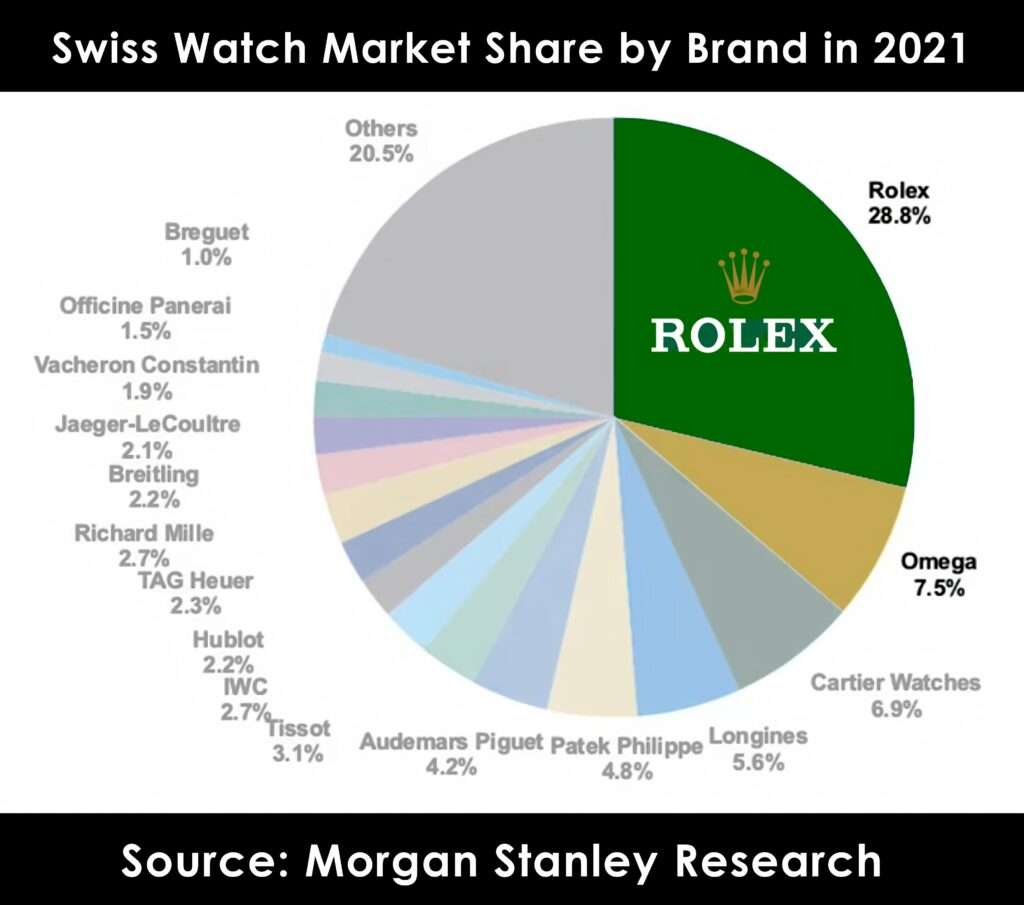
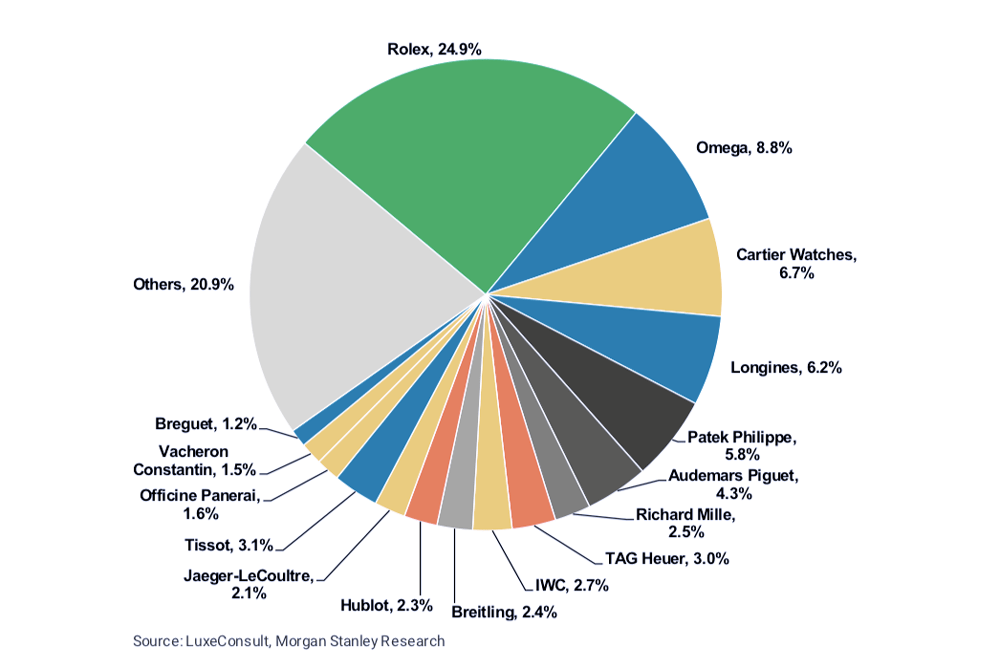
According to Morgan Stanley’s 2024 Swiss watch industry report, Rolex generated roughly CHF 10.6 billion in revenue, selling approximately 1.1 million watches. Its share of the high-end segment (watches priced above CHF 3,000) rose from 57% in 2023 to an estimated 61% in 2025. To put that in perspective, Rolex makes more money than the number two through number six Swiss watch brands combined.
Here is the detail that gets lost in the big numbers: Rolex did this while producing fewer watches than it could. The brand is not volume-hungry. It is margin-disciplined. And that discipline extends to how it manages every touchpoint between the factory floor in Geneva and the wrist of the end buyer.
The global luxury watch market itself sits at USD 57.83 billion in 2025 and is projected to hit USD 62.35 billion in 2026, growing at a CAGR of 8.47% through 2034, according to Fortune Business Insights. Mechanical watches account for 71.87% of that market, and Rolex sits squarely at the top of the mechanical segment.
Scarcity, Strategy, and the Waitlist Economy
Here is the part most people miss: Rolex could sell far more watches than it does. The brand deliberately restricts production. For the second consecutive year in 2025, Rolex reduced output while its market dominance grew stronger.
This is not a supply chain problem. It is a strategy. By keeping demand consistently higher than supply, Rolex transforms every authorized dealer visit into a relationship-building exercise. Buyers invest time, purchase history, and loyalty just to get on a waitlist for a steel Submariner or Daytona. The watches that do make it to the secondary market carry premiums of 20% to 100% above retail, depending on the reference. If you want to understand how these waiting lists actually work, it helps to know that the process rewards longstanding customers who build purchase history at a single boutique.
Rolex also raised prices approximately 7% in the US and 5% in the UK in early 2025, part of a broader Swiss industry trend driven by rising gold prices and a strong franc, as documented by Hodinkee. But unlike mid-tier brands that lost customers to those increases, Rolex absorbed them without a dent in demand. When your waitlist is years long, a price bump barely registers. For a deeper breakdown of how these hikes ripple across the lineup, our analysis of the 2025 Rolex price increase breaks it down model by model.
Why Rolex Watches Hold Value Like No Other Brand
Value retention is where Rolex separates itself from the pack. The Datejust, one of the brand’s most widely produced models, saw a 59% appreciation in secondary market value between 2018 and 2026. That is not a limited-edition exotic. That is the bread-and-butter model you can walk into any AD and request.
Rolex’s Certified Pre-Owned program supercharges this dynamic. Launched to bring structure to the grey market, the CPO program hit approximately CHF 500 million in annual revenue by 2025, a 204% year-over-year increase, as reported by Everywatch. If the CPO program were its own brand, it would rank among the top 10 Swiss watchmakers by revenue.
The program works because it gives buyers confidence. Every CPO watch comes with authentication, a two-year international guarantee, and the full backing of the Rolex brand. That accountability makes the pre-owned market feel as safe as buying new, which keeps prices firm and demand steady.
Compare that to competitors. Swatch Group sales fell 11% in the first half of its fiscal year, dragged down by relentless price increases on brands without the equity to justify them. Entry-level and mid-tier Swiss brands are getting squeezed from above by Rolex and from below by smartwatches. Only the top tier — Rolex, Patek Philippe, and Audemars Piguet — continue to gain ground through premiumization. It is a bifurcated market, and Rolex owns the winning side.
The real story here is not that Rolex holds value. It is how predictably it holds value. When the broader watch market softened in 2023 and 2024, as explored in our piece on why watch prices were falling, Rolex dipped less and recovered faster. That kind of resilience is what turns a watch purchase from a luxury indulgence into something closer to a considered store of value. Not an investment in the financial sense, but a purchase you can make without the nagging feeling that you just lit six figures on fire.
Heritage Models That Built a Legacy
Part of Rolex’s endurance comes from a product line that barely changes, and that is the point. The Submariner introduced in 1953 is still recognizable in its modern incarnation. The Daytona still carries the racing DNA of its 1963 debut. The GMT-Master still does what it was designed to do for Pan Am pilots: track two time zones at once. The full lineup of iconic models reads like a catalog of solved problems rather than fashion statements.
Rolex holds over 500 patents covering everything from the Parachrom hairspring to the Cerachrom bezel. But the brand deploys those innovations conservatively. A new Submariner does not look radically different from the last one. It gets a slightly better movement, a refined case profile, maybe a new dial color. The evolution is gradual enough that a ten-year-old reference still feels current on the wrist.
That consistency is an asset, not a liability. Buyers know that the Rolex they purchase today will not look outdated in five years. It will not be replaced by a redesigned model that makes the old version feel obsolete. That confidence is a massive driver of both initial purchase decisions and long-term value retention. And it is why the secondary market for vintage Rolex references has become a collecting category unto itself — older models do not depreciate into irrelevance. They appreciate into desirability.
Frequently Asked Questions
Why is Rolex considered the best luxury watch brand?
Rolex earns its reputation through a combination of consistent quality, iconic design, unmatched market share (32.1% globally), and the strongest resale value in the industry. The brand’s deliberate production limits and heritage models like the Submariner and Daytona have made it both a status symbol and a reliable store of value.
Do Rolex watches hold their value?
Yes. Models like the Datejust have appreciated 59% on the secondary market since 2018. Rolex’s Certified Pre-Owned program, which reached CHF 500 million in annual revenue, adds structure and confidence to the pre-owned market, keeping prices stable and demand consistent.
Why are Rolex watches so hard to buy?
Rolex intentionally limits production to maintain exclusivity. In 2025, the brand reduced output for the second straight year despite growing demand. Popular steel models like the Submariner and Daytona carry multi-year waitlists at authorized dealers, which drives strong premiums on the secondary market.
Is a Rolex a good investment in 2026?
Rolex watches have historically appreciated or at minimum held their value far better than most luxury goods. The brand’s 61% share of the high-end watch market, combined with strong CPO growth and controlled supply, suggests that trend will continue. However, some precious metal models have begun selling below retail, so model selection matters.
What is the most iconic Rolex model?
The Submariner, introduced in 1953 as the first professional dive watch certified to 100 meters, is widely considered Rolex’s most iconic model. The Daytona, GMT-Master, and Datejust are close behind, each with decades of professional heritage and cultural significance.
The Crown Shows No Signs of Slipping
Rolex’s position at the top of luxury watchmaking is not an accident of history. It is the output of a hundred-year strategy: build technically excellent watches, prove them in extreme conditions, control distribution ruthlessly, and never chase trends at the expense of identity.
As the luxury watch market heads toward USD 62 billion in 2026, Rolex is not just participating in that growth. It is driving it. For collectors, first-time buyers, and anyone wondering whether the Crown still earns its premium, the data is unambiguous. Rolex luxury watches remain the benchmark against which every other brand is measured, and that is unlikely to change anytime soon.
If you are considering your first Rolex purchase or looking to add to an existing collection, explore our guide to the most iconic Rolex models or learn how collections and waiting lists work to make a more informed decision.